Authentic home cooking from Taiwan, with US measurements.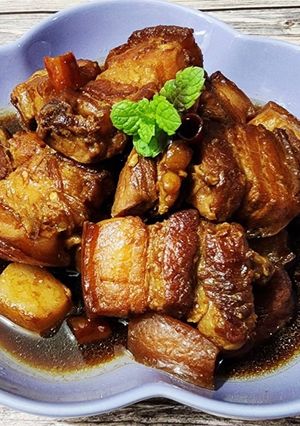
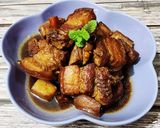
Homestyle Braised Pork Belly

Pork belly, known for its layers of fat and lean meat, makes for a rich and flavorful braised pork dish that many people love. From a nutrition perspective, it has both benefits and things to watch out for.
Nutritional content of braised pork belly:
* Protein: Pork is a great source of high-quality protein, which helps with tissue growth and repair.
* B vitamins: Especially vitamin B1, which is found in higher amounts in pork than in beef or lamb, and helps maintain a healthy nervous system.
* Fat: Pork belly is high in fat, mainly saturated fat. Eating too much saturated fat can raise cholesterol and put a strain on heart health. Braised pork is often cooked with pork lard, which increases the overall fat and calorie content.
* Iron: Pork contains heme iron, which is easily absorbed by the body and helps prevent iron-deficiency anemia.
* Sodium: The braising sauce usually contains soy sauce and rock sugar, making it high in sodium. Eating too much sodium over time can lead to high blood pressure.
Calories and health risks of braised pork rice:
A small bowl of braised pork rice (about 200 grams) has around 450 calories, with a significant portion coming from fat. A large bowl can have up to 750 calories.
Because braised pork rice is high in fat, sodium, and starch, eating it too often can increase the risk of obesity, high cholesterol, high blood pressure, and heart disease.
Tips for enjoying braised pork rice in a healthier way:
* Choose leaner cuts: Ask for pork with less fat, or request less sauce to cut down on fat and calories.
* Add vegetables: Order a side of blanched or cold vegetables to boost fiber intake, aid digestion, and help you feel full. Avoid adding extra pork sauce to the veggies.
* Add tofu: Order braised tofu or kelp for plant-based protein to balance your meal and reduce red meat intake.
* Watch your portions and frequency: Enjoy braised pork rice as an occasional treat, such as once a week.
Homestyle Braised Pork Belly
Pork belly, known for its layers of fat and lean meat, makes for a rich and flavorful braised pork dish that many people love. From a nutrition perspective, it has both benefits and things to watch out for.
Nutritional content of braised pork belly:
* Protein: Pork is a great source of high-quality protein, which helps with tissue growth and repair.
* B vitamins: Especially vitamin B1, which is found in higher amounts in pork than in beef or lamb, and helps maintain a healthy nervous system.
* Fat: Pork belly is high in fat, mainly saturated fat. Eating too much saturated fat can raise cholesterol and put a strain on heart health. Braised pork is often cooked with pork lard, which increases the overall fat and calorie content.
* Iron: Pork contains heme iron, which is easily absorbed by the body and helps prevent iron-deficiency anemia.
* Sodium: The braising sauce usually contains soy sauce and rock sugar, making it high in sodium. Eating too much sodium over time can lead to high blood pressure.
Calories and health risks of braised pork rice:
A small bowl of braised pork rice (about 200 grams) has around 450 calories, with a significant portion coming from fat. A large bowl can have up to 750 calories.
Because braised pork rice is high in fat, sodium, and starch, eating it too often can increase the risk of obesity, high cholesterol, high blood pressure, and heart disease.
Tips for enjoying braised pork rice in a healthier way:
* Choose leaner cuts: Ask for pork with less fat, or request less sauce to cut down on fat and calories.
* Add vegetables: Order a side of blanched or cold vegetables to boost fiber intake, aid digestion, and help you feel full. Avoid adding extra pork sauce to the veggies.
* Add tofu: Order braised tofu or kelp for plant-based protein to balance your meal and reduce red meat intake.
* Watch your portions and frequency: Enjoy braised pork rice as an occasional treat, such as once a week.
 Open in Cookpad App
Steps
- 1
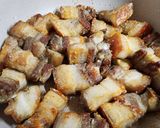
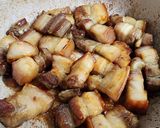
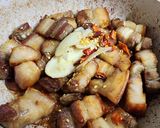
Cut the pork belly into 1 1/4-inch wide pieces. Sear both sides until golden brown. Add the ginger slices, garlic cloves, and red chili pepper, and stir-fry until fragrant.
- 2
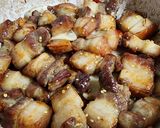
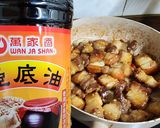
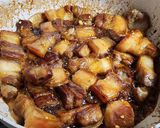
Add the rock sugar and stir-fry. Pour in 3/4 cup boiling water (about 200 ml) and cook until the pork is evenly colored. Add both types of soy sauce and salt, reduce to low heat, cover, and simmer for 30 minutes.
- 3
Serve.

- 4
How much is 1 tablespoon or 1 teaspoon?
You can buy a set of 4 measuring spoons at most kitchen supply stores. The measurements are:
1 tablespoon = 1T = 15 ml
1 teaspoon = 1t = 5 ml
1/2 teaspoon = 2.5 ml
1/4 teaspoon = 1.25 ml
1 cup = 240 ml
(All measurements are level, not heaping.)
Cooksnaps

Keywords
Similar Recipes
More Recipes
-

-

-
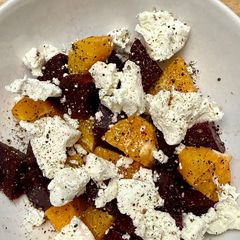
Chèvre, beet, and orange salad…

-

-


-
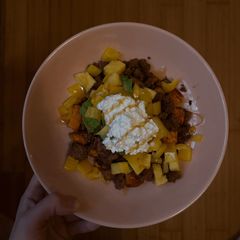
Sweet Potato, Cottage Cheese & Beef Bowl

-

-

-
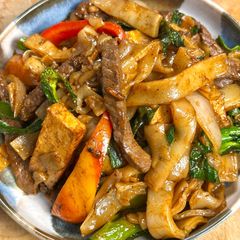
Thai Drunken Noodles w/ Beef & Tofu| Pad Kee Mao

-

Strawberry Cupcakes with Cream Cheese Icing

-


-


-


-


-

-

Cream Cheese and Turkey Sandwich with Red Pepper Jelly

-
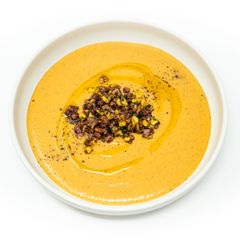
Chilled Corn and Pancetta Bisque