

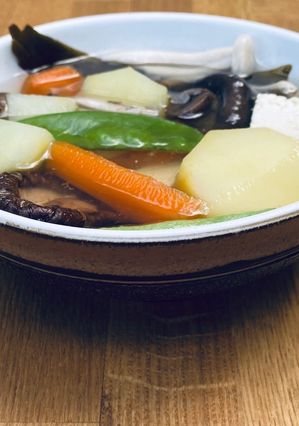
Kenchinjiru (Shojin Ryori) Japanese Veggie Soup 🌱

Kenchinjiru is a Shojin Ryori. Shojin Ryori refers to Japanese Buddhist temple cooking and it’s naturally plant-based and vegan. The food is so simple and beautiful with a strong focus on local, seasonal and organic veg. Minimising waste is important and typically all of the plant is eaten. When I was taught to make vegan Dashi with kombu and shiitake it was a game changer for many of my recipes, a natural umami stock that can be used for so many dishes. I have not included measurements in this recipe, as is typical with this sort of cooking, it’s considered important to taste your food to achieve balance rather than with heavy use of seasonings - always important when cooking with veggies as they vary during the season. Dishes are gently seasoned and use different colours, flavours and textures (often 5). Nutritional methods often use very little water to retain taste and nutrients.
#mycookbook #globalfoodtour
Kenchinjiru (Shojin Ryori) Japanese Veggie Soup 🌱
Kenchinjiru is a Shojin Ryori. Shojin Ryori refers to Japanese Buddhist temple cooking and it’s naturally plant-based and vegan. The food is so simple and beautiful with a strong focus on local, seasonal and organic veg. Minimising waste is important and typically all of the plant is eaten. When I was taught to make vegan Dashi with kombu and shiitake it was a game changer for many of my recipes, a natural umami stock that can be used for so many dishes. I have not included measurements in this recipe, as is typical with this sort of cooking, it’s considered important to taste your food to achieve balance rather than with heavy use of seasonings - always important when cooking with veggies as they vary during the season. Dishes are gently seasoned and use different colours, flavours and textures (often 5). Nutritional methods often use very little water to retain taste and nutrients.
#mycookbook #globalfoodtour
 Open in Cookpad App
Steps
- 1
Prepare the Dashi stock by washing and then soaking the shiitake and kombu for at least an hour. Then heat for 15 minutes but don’t boil. If you taste it should already taste delicious. This is such an important part of the recipe and gives the umami taste.

- 2
Cut the veg into similar sized pieces. This is important in zen cooking As it allows the veg to cook for the minimum amount of time and retain nutrients. Add a few squares of medium or firm tofu. You can use a soft tofu but add at the last minute or it will crumble.

- 3
Simmer the veg in the Dashi until cooked. Only use just enough to cover the veg to help retain the nutrients of the vegetables. Don’t overcook, they should still have some bite. Add soy sauce to taste if using.
Made this recipe? Share a Cooksnap!
Let Rachel know how it turned out.
Nothing says thank you like a photo!

Someone made your recipe and shared a Cooksnap!

Similar Recipes
More Recipes
-


-


-


-


-

-

-


-

Authentic Gumbo Recipe (Recette Authentique de Gumbo)

-


-


-

 Max Lovato
 -


-


-


-


-


-


- Max Lovato
-


-


-
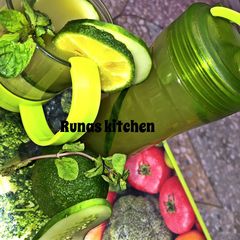
Cucumber drink Recipe By RuNas kitchen

-


-
 Manju Batra
 -

Oats whole wheat pizza with exotic veggiea

-



Comments (2)