

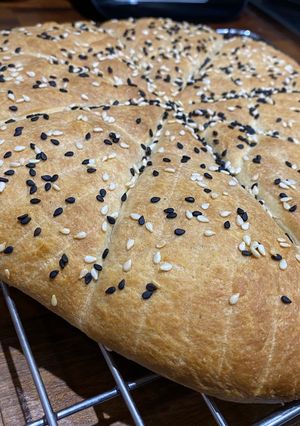
Hmbasha - Ethiopian celebration bread

Ethiopia is one of the oldest countries in Africa and its history is long and complex - it has five official languages. In 1961 Ethiopia removed Eritrea’s independence but 30 years later Eritrea gained its independence back. Their cuisines are therefore very similar.
Dabo is traditional bread and varieties include Kolo a fried snack, Difo baked in false banana leaves, Hibist steam-baked and Hmbasha (Tigrinya word)/Ambasha (Amharic word) which is a slightly sweet celebration bread.
Its origin traces back to the ancient highlands of Ethiopia and Eritrea where bread has long held cultural and religious significance. It is served during special occasions; religious holidays and weddings.
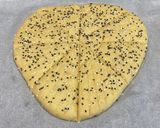
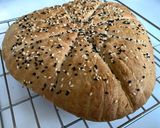
The dough is decorated with intricate patterns before baking symbolising its cultural importance. The designs vary but generally wheel-shaped with indentations to denote spokes. Commonly flavoured with sesame seeds and cardamom but cinnamon, candied ginger and orange may be added.
Sesame is one of Ethiopia’s primary oilseed crops and it is grown extensively in the northern and northwestern regions. Humera is produced in the area of the same name in Ethiopia near the border with Eritrea and known for its white colour, large size and nutty flavour. Korarima (Ethiopian cardamom) is cultivated in the forest areas of southwestern Ethiopia and is similar in flavour to green cardamom but more delicate and intense with a smoky and peppery flavour with a hint of mint. #February2026 #realbreadweek
Hmbasha - Ethiopian celebration bread
Ethiopia is one of the oldest countries in Africa and its history is long and complex - it has five official languages. In 1961 Ethiopia removed Eritrea’s independence but 30 years later Eritrea gained its independence back. Their cuisines are therefore very similar.
Dabo is traditional bread and varieties include Kolo a fried snack, Difo baked in false banana leaves, Hibist steam-baked and Hmbasha (Tigrinya word)/Ambasha (Amharic word) which is a slightly sweet celebration bread.
Its origin traces back to the ancient highlands of Ethiopia and Eritrea where bread has long held cultural and religious significance. It is served during special occasions; religious holidays and weddings.
The dough is decorated with intricate patterns before baking symbolising its cultural importance. The designs vary but generally wheel-shaped with indentations to denote spokes. Commonly flavoured with sesame seeds and cardamom but cinnamon, candied ginger and orange may be added.
Sesame is one of Ethiopia’s primary oilseed crops and it is grown extensively in the northern and northwestern regions. Humera is produced in the area of the same name in Ethiopia near the border with Eritrea and known for its white colour, large size and nutty flavour. Korarima (Ethiopian cardamom) is cultivated in the forest areas of southwestern Ethiopia and is similar in flavour to green cardamom but more delicate and intense with a smoky and peppery flavour with a hint of mint. #February2026 #realbreadweek
 Open in Cookpad App
Steps
- 1
Place half (60 ml) of the warm milk in a bowl, add half of the honey or sugar (1 tbsp), stir to dissolve and sprinkle the yeast on top. Stir to combine then set aside for 5 – 10 minutes until the yeast begins to froth.
- 2
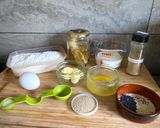
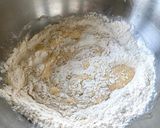
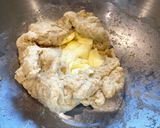
Add the flour to a large bowl and stir in the salt and the spice. Whisk the egg with the remaining milk and honey. Make a well in the flour and add the activated yeast and the egg/milk mixture. Knead slowly and bring into a ball. Stretch out the dough. add the softened butter to the middle and knead again pulling the outside of the dough in to cover the butter. Continue kneading until the butter is incorporated and then form into a ball.
- 3
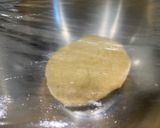
Place the dough in a bowl, cover and let it rest for at least 1 hour. Knock it back. Bring it together then place on a floured surface roll out into a 20 cm (9”) circle. Place on a baking sheet. Cut into 8 with a pizza cutter then using a blunt spatula make a pattern (see image). Cover and leave to rest for 15 minutes.
- 4
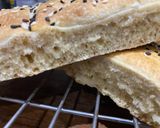
Brush with the melted butter then sprinkle with the sesame seeds. Place in a preheated oven 180 degrees C for around 20 minutes until brown on top. Remove from the oven and let it cool on a rack.

Similar Recipes
More Recipes
-
Mini karela potatoes GM masala baaji

-

-
Maharashtrian Dal with Sambar Masala

-
No-Bake African-Inspired Plantain & Nutmeg Cheesecake

-
Bombay style special tasty pav bhaji

-
 Fitri Taslim
 -

-
#NDव्रत के लिए मलाईदार नारियल मखाना करी

-

-


-

-

-

-

-

-

-

-
-

-
-
-
Rajasthani Papad Ki Churi (Tiffin recipe)

-






Comments