

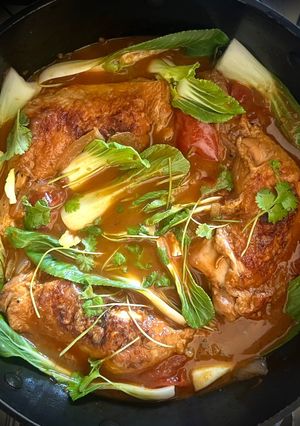
Poule ar Tamarin ek Brèdes Chinois – Mauritian chicken with tamarind and pak choi

Mauritius is heavily influenced by Creole and French cuisine. The vocabulary of Mauritian Creole is deeply rooted in the French language spoken by the 18thcentury settlers and colonists. When the language evolved, many French words adapted into Creole; poule (chicken), tamarin (tamarind), Brèdes Chinois (pak choi) and cotomili (fresh coriander) and coriande (coriander seeds).
Tamarind is native to the dry savannah regions of Africa such as Sudan, Ethiopia and Tanzania. It was taken to the Indian subcontinent via ancient trade routes thousands of years ago. The name comes from Arabic tamar-i-hind (date of India). Whereas all roads lead to Rome in some parts of the world, in India, no road does not end at the base of the tamarind tree. There is a well-known village on the island named Tamarin because of all the tamarind trees growing in the area.
Coriander is native to the Mediterranean Basin and parts of Western Asia and the Middle East. It is one of the oldest, cultivated spices with archaeological evidence and seeds found in ruins and Egyptian tombs dating back to roughly 5000 BCE. It is mentioned in ancient texts, including the Bible and Sanskrit writings from around 1500 BCE. The word coriander comes from the ancient Greek word koriannon or koris, which means bed bug or stink bug as it is pungent and musky.
This recipe is sticky, sweet and tangy combining sharp and citrusy tamarind, tomato and aromatic coriander.
Poule ar Tamarin ek Brèdes Chinois – Mauritian chicken with tamarind and pak choi
Mauritius is heavily influenced by Creole and French cuisine. The vocabulary of Mauritian Creole is deeply rooted in the French language spoken by the 18thcentury settlers and colonists. When the language evolved, many French words adapted into Creole; poule (chicken), tamarin (tamarind), Brèdes Chinois (pak choi) and cotomili (fresh coriander) and coriande (coriander seeds).
Tamarind is native to the dry savannah regions of Africa such as Sudan, Ethiopia and Tanzania. It was taken to the Indian subcontinent via ancient trade routes thousands of years ago. The name comes from Arabic tamar-i-hind (date of India). Whereas all roads lead to Rome in some parts of the world, in India, no road does not end at the base of the tamarind tree. There is a well-known village on the island named Tamarin because of all the tamarind trees growing in the area.
Coriander is native to the Mediterranean Basin and parts of Western Asia and the Middle East. It is one of the oldest, cultivated spices with archaeological evidence and seeds found in ruins and Egyptian tombs dating back to roughly 5000 BCE. It is mentioned in ancient texts, including the Bible and Sanskrit writings from around 1500 BCE. The word coriander comes from the ancient Greek word koriannon or koris, which means bed bug or stink bug as it is pungent and musky.
This recipe is sticky, sweet and tangy combining sharp and citrusy tamarind, tomato and aromatic coriander.
 Open in Cookpad App
Steps
- 1
Season the chicken with salt and pepper. Heat the oil in a deep skillet, add the chicken and fry for 10 minutes until golden, turning half way through.

- 2
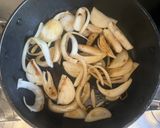
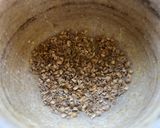
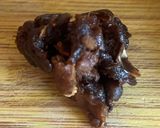
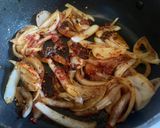
Transfer the chicken to a bowl and set aside. Add the onions to the skillet and cook in the chicken fat until coloured. Add the crushed coriander seeds and cook for a minute. Stir in the tamarind and tomato purée and add the stock.
- 3
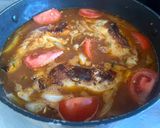
Return the chicken to the pan, add the tomatoes and bring to a simmer. Cover and cook for around 45 minutes to an hour, stirring occasionally until the chicken is tender.
- 4
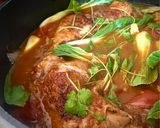
Add the pak choi and simmer for 5 minutes until it is wilted. Garnish with the chopped coriander and serve.

Keywords
Similar Recipes
More Recipes
-


-


-

-

-
Cream Cheese Dip with Dill Leaves

-

-

-


-
Avocado Rusk Toast - Continental Breakfast

-

-

-
-
-
Cream Cheese Dip with Dill Leaves
-
-
-
-



Comments