Authentic home cooking from Spain, with US measurements.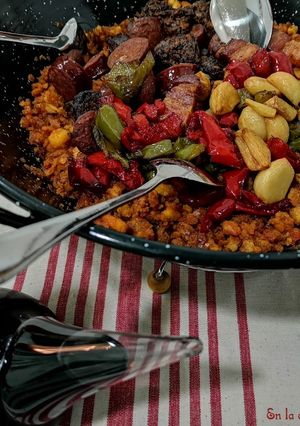
Grandma Lucía’s Manchegan Migas

If you’re looking for a classic, old-fashioned dish, this is it. This is one of those recipes passed down from generation to generation, from grandmothers to mothers, from mothers to daughters, and so on, time after time. Everyone knows this was a hearty meal for humble people, for those who worked the land—shepherds would eat it while tending their flocks during the cold winter, or field workers would have it after long days in the fields as the chill set in. This is truly one of the best ways to honor all those who left us so many recipes that should never be lost—especially this one, which has its own story. The story goes that when my mother was still very young, my grandmother (a widowed woman from Toledo) would get up at dawn and ride a tractor with six or seven other women to the fields to pick olives. They wouldn’t return until night, so my grandmother taught my mother to make these “Migas Manchegas” so they’d be ready when she got home. So yes, this recipe has a story! I don’t want it to be lost, so I’m sharing it with anyone who wants to try it. Who’s going to give it a go first?
Grandma Lucía’s Manchegan Migas
If you’re looking for a classic, old-fashioned dish, this is it. This is one of those recipes passed down from generation to generation, from grandmothers to mothers, from mothers to daughters, and so on, time after time. Everyone knows this was a hearty meal for humble people, for those who worked the land—shepherds would eat it while tending their flocks during the cold winter, or field workers would have it after long days in the fields as the chill set in. This is truly one of the best ways to honor all those who left us so many recipes that should never be lost—especially this one, which has its own story. The story goes that when my mother was still very young, my grandmother (a widowed woman from Toledo) would get up at dawn and ride a tractor with six or seven other women to the fields to pick olives. They wouldn’t return until night, so my grandmother taught my mother to make these “Migas Manchegas” so they’d be ready when she got home. So yes, this recipe has a story! I don’t want it to be lost, so I’m sharing it with anyone who wants to try it. Who’s going to give it a go first?
 Open in Cookpad App
Steps
- 1
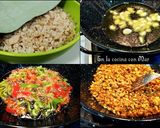
Start by breaking the bread into small pieces. These days, you can buy bread already cut for migas in half-kilo (about 1 lb) bags at some supermarkets, but if not, just cut up about 1 lb of day-old bread and place it in a large bowl. Sprinkle the bread with water using your hand.
- 2
Add a little salt and continue to sprinkle the bread slowly, being careful not to soak it too much. Cover the bowl with a clean kitchen towel and let it rest for a couple of hours, or even overnight if the bread is very hard.
- 3
Peel the garlic, clean and slice the peppers (both red and green) into strips that aren’t too thin. Slice the chorizo and blood sausage into regular-sized rounds, and cut the pork belly into bite-sized pieces, removing the rind. Keep everything separate to fry later.
- 4
In a deep skillet or Dutch oven, heat about 1/2 cup extra virgin olive oil over medium-low heat so everything cooks well without burning. Once the oil is hot, start frying the ingredients in order, beginning with the garlic (it’s important to keep the heat at the right temperature).
- 5
Have a large platter ready. When the garlic is golden, remove it and add the peppers. Stir them until they’re fried and slightly soft. Raise the heat just a bit, add the pork belly, and cook quickly, then remove it. Next, add the chorizo, and finally the blood sausage, which will brown quickly. Set everything aside on the platter.
- 6
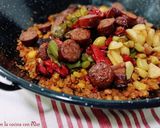
If there’s too much oil, remove some. Return the skillet to the heat and, for just two seconds, add the tablespoon of smoked paprika, stir, and immediately remove from the heat. Add the moistened bread and stir vigorously until the migas are moist and tender. Taste and adjust salt if needed. Serve hot for breakfast, lunch, dinner, or even as a snack!
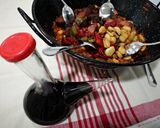
- 7
There are many versions and variations of migas across our rich cuisine, with flavors, ingredients, and methods changing from region to region. This is the version I learned as a child, and I hope my family learns it too. Thank you, Grandma!
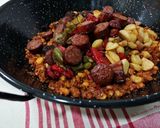
- 8
In villages during winter, it’s common to eat migas at any time of day by the fire, but they’re especially good on rainy days. As a fun fact, my grandmother liked to eat them with grapes, and my mother keeps up that tradition. I’m the odd one out—I don’t like mixing sweet and savory, even though it’s trendy now!
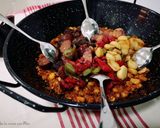
- 9
This is truly one of those grandma recipes that takes you back to childhood. Maybe they’re not quite as good as hers, but they’re made with lots of love. Thank you, Grandma, for teaching Mom, and thank you, Mom, for teaching me.
Cooksnaps

People also looked for
Keywords
Similar Recipes
More Recipes
-

-

-

-

-

-

-

-

-

-

-

-

-

-

-

-
Nutella & Banana Ice Cream@mubina_18

-

-
Simple Microwaved Scrambled Eggs
 micirox
 -

-
-

-

-