


Kashmiri Kahwa

The tea is made by boiling green tea leaves with saffron strands, cinnamon bark, cardamom pods and occasionally Kashmiri roses to add a great aroma. Generally, it is served with sugar or honey and crushed nuts, usually almonds or walnuts. Some varieties are made as an herbal infusion only, without the green tea leaves.
Traditionally, kahwah is prepared in a copper kettle known as a samovar. A samovar consists of a "fire-container" running as a central cavity, in which live coals are placed keeping the tea perpetually hot. Around the fire-container there is a space for water to boil and the tealeaves and other ingredients are mixed with the water. Kahwah may also be made in normal pans and vessels, as modern day urban living may not always permit the use of elaborate samovars.
Kahwah is usually served to guests or as part of a celebration dinner, and saffron (kong) is added to the kahwah for special visitors. It is often served in tiny, shallow cups. Kehwa in Kashmir is also commonly served after Wazwan and elaborate family dinners. Sometimes milk is added to the kahwah, but this is generally given to the elderly or the sick. Kahwah is usually served after food (usually lunch) in the North Malabar region of India.
Kashmiri Kahwa
The tea is made by boiling green tea leaves with saffron strands, cinnamon bark, cardamom pods and occasionally Kashmiri roses to add a great aroma. Generally, it is served with sugar or honey and crushed nuts, usually almonds or walnuts. Some varieties are made as an herbal infusion only, without the green tea leaves.
Traditionally, kahwah is prepared in a copper kettle known as a samovar. A samovar consists of a "fire-container" running as a central cavity, in which live coals are placed keeping the tea perpetually hot. Around the fire-container there is a space for water to boil and the tealeaves and other ingredients are mixed with the water. Kahwah may also be made in normal pans and vessels, as modern day urban living may not always permit the use of elaborate samovars.
Kahwah is usually served to guests or as part of a celebration dinner, and saffron (kong) is added to the kahwah for special visitors. It is often served in tiny, shallow cups. Kehwa in Kashmir is also commonly served after Wazwan and elaborate family dinners. Sometimes milk is added to the kahwah, but this is generally given to the elderly or the sick. Kahwah is usually served after food (usually lunch) in the North Malabar region of India.
 Open in Cookpad App
Similar Recipes
More Recipes
-

-

-

-

-
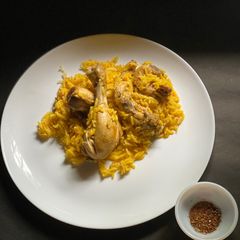
Idris style Lucknowi Chicken Biryani

-
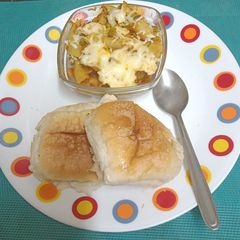
Desi Pau Bhaji Meets Italian Pasta

-

-

-

-

-
Vegetarian black bean curry quesadillas

-

-

-

-

-
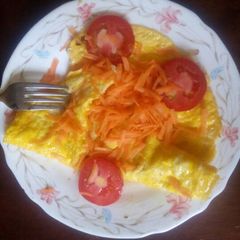
Fried eggs garnish with carrots and tomatoes
 jackline maina
 -
#Ramadan special Ghehu ka khichda

-
# Ramadan Special - Fruity Poha Delight

-
Sweet pumpkin with cooking cream

-
Ramadan Special - Dry Fruits paratha
-

-
Beetroot Hummus Cucumber Canape




Comments