

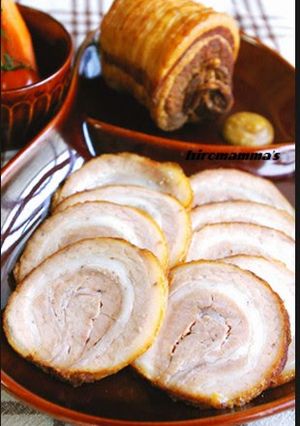
Professional Char Siu Recipe

This is the authentic char siu recipe that my father used at the ramen noodle shop that he ran. I altered it a little to make it easier to prepare in home kitchens. The tips were passed down directly from my dad!
Try to be mindful of the heat when you're simmering the meat. Depending on the type of pot you're using, you'll have to make some adjustments. Try to set the heat to low if you're using a Le Creuset pot, since they conduct heat quite easily. The remaining sauce is really quite delicious, and also tastes authentic. It's handy to have on hand when preparing homemade ramen or vegetable stir fries. Recipe by Hiromanma
Professional Char Siu Recipe
This is the authentic char siu recipe that my father used at the ramen noodle shop that he ran. I altered it a little to make it easier to prepare in home kitchens. The tips were passed down directly from my dad!
Try to be mindful of the heat when you're simmering the meat. Depending on the type of pot you're using, you'll have to make some adjustments. Try to set the heat to low if you're using a Le Creuset pot, since they conduct heat quite easily. The remaining sauce is really quite delicious, and also tastes authentic. It's handy to have on hand when preparing homemade ramen or vegetable stir fries. Recipe by Hiromanma
 Open in Cookpad App
Steps
- 1
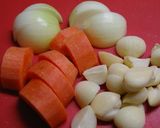
Peel off the skin from the vegetables and roughly chop. Peel the skin from the garlic cloves. Chop each clove in half and remove the germ (the small green bud in the middle of the clove).
- 2
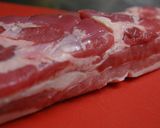
Try to use pork belly meat that is relatively low in fat.
- 3
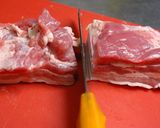
Slice the pork belly cut in half.
- 4
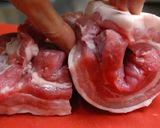
Roll up each half of the pork belly with kitchen twine. Make sure you wind the twine around tightly.
- 5
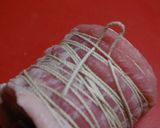
Don't tie the ends of the twine. Instead, secure by tucking between the tightly wound twine and meat. It'll be easier to unwind later on this way.
- 6
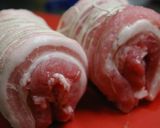
You're done rolling up your pork belly cuts.
- 7
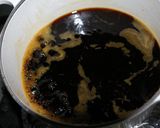
Combine the ☆ seasoning ingredients in a pot, and simmer.
- 8
Add the meat and vegetables to the pot.
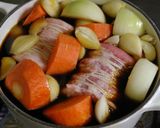
- 9
The heat should be set at low-medium, so that the pork belly rolls gently dance as they float in the pot. Set the heat to low if you're using a Le Creuset brand pot.
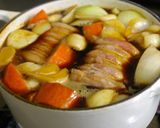
- 10
After you've simmered the meat for 1.5 hours, you're done.
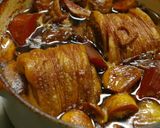
- 11
Once it's done simmering, remove quickly from the pot and let cool.

- 12
Once cool, carefully remove the twine.
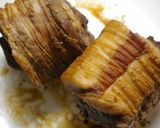
- 13
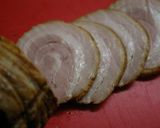
The meat is difficult to slice up nicely while it's still hot. Let it cool down first before slicing.
- 14
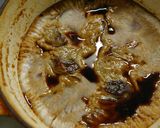
Don't throw away the simmering sauce. If you let the sauce rest, the fat from the pork belly will start to separate and harden.
- 15
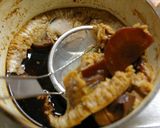
Remove the solidified fat and vegetables. If you leave the sauce cool in the refrigerator, the fat will solidify much quicker.
- 16
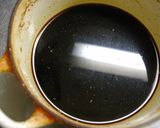
Here is the sauce with the fat and vegetables removed. This sauce is quite tasty, so try saving it for later use.
- 17
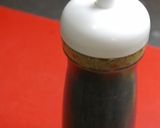
Bottle the sauce or keep it in a jar to store in the fridge. This sauce goes well with a variety of dishes, like gyoza dumplings, mapo tofu, ginger pork, or fried chicken.
- 18
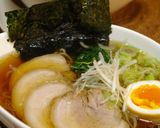
The char siu is amazing when topped on ramen noodles. Here, I've also added a boiled egg marinated in the same sauce.
- 19
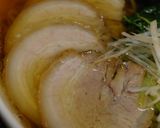
This char siu is so soft, it'll put a smile on your face.
- 20
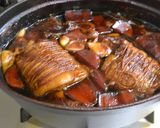
Here's how to prepare homemade lard:
- 21
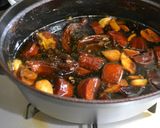
As in Step 10, remove the char siu after simmering it for 1.5 hours.
- 22
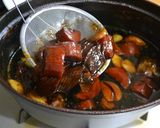
While the sauce is still warm, remove the vegetables. *These vegetable cutoffs are quite salty, so you won't really be able to eat them. You can try adding a small amount of them to a rice bran pickling mixture.
- 23
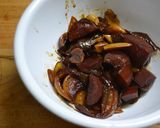
(If you pickle your own vegetables with rice bran at home, your rice bran pickling mixture will improve in taste with the addition of these heavily simmered vegetable cut-offs. They'll dissolve into the rice bran and add another dimension to its flavor.)
- 24
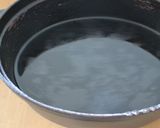
Once you've removed the vegetable off-cuts from the sauce, leave the sauce to rest and cool.
- 25
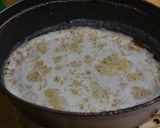
During the colder months, the fat will solidify and turn white in a few hours. During the warmer seasons, leave it out to harden overnight. If it still doesn't seem to be hardening, place it in the refrigerator.
- 26
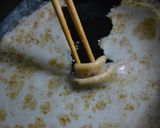
This white fat is your homemade lard. Remove it carefully from the frying pan with your chopsticks.
- 27
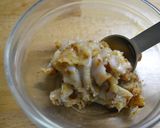
You can use homemade lard in preparing ramen noodles or fried rice. It'll also give more depth to the flavors of stir-fried dishes.
- 28
I made some fried rice with homemade char siu sauce and lard. See.
https://cookpad.wasmer.app/us/recipes/149847-our-familys-stir-fried-rice

- 29
You can make a variation of this fried rice dish, with just a couple of additional steps.
https://cookpad.wasmer.app/us/recipes/154139-special-fried-rice-with-ankake-soup

Linked Recipes
Cooksnaps

Did you know that you can import recipes from anywhere into Cookpad with one click?
https://blog.cookpad.com/us/cookpad-recipe-import-feature-save-recipes-from-anywhere/
Download Cookpad app to plan your meals and store your cooking ideas in one safe place! https://cookpad.wasmer.app/us/download
Top Search in
People also looked for
Keywords
Similar Recipes
More Recipes
-

Banana Pineapple Slush - (AllRecipes.com)

-
 Garima Mayur Mangwani
 -


-


-


-

-


-

-


-


-


-

-

-


-
-

three cheese chicken penne pasta
sabrinaochoa76 -
-

Macrobiotic Diet - Spring Onion Tofu Hamburger Patties

- swag.it.up2001
-

Yakiniku Gimbap for Cherry Blossom Viewing
-
Kurumabu Simmered in Ginger and Soy Sauce
-
American Eggplants and Sesame Oil Dengaku Miso



Comments