

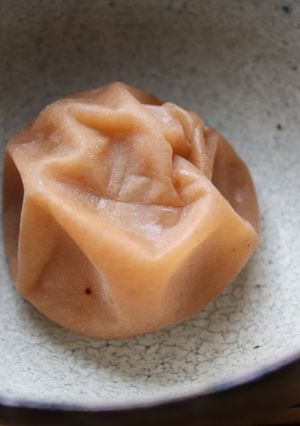
Sodium-Reduced Umeboshi

My husband loves old fashioned, salty and sour umeboshi, and will eat several at a time. I was worried that he was getting too much sodium, so I make these homemade ones with drastically reduced salt every year.
I buy a thick, large, brand new/never used before food-safe poly bag to make the umeboshi, so there's no need to sterilize anything and you don't need to worry about mold. Anyone can make this reduced-salt umeboshi this way. If you divide up the umeboshi into less than 1.5 kg batches, you can use the largest size of ziplock bags. Reduced salt umeboshi are tastiest when consumed within a year of making them, so make just as much as you'll eat within that time. Recipe by olive11
Sodium-Reduced Umeboshi
My husband loves old fashioned, salty and sour umeboshi, and will eat several at a time. I was worried that he was getting too much sodium, so I make these homemade ones with drastically reduced salt every year.
I buy a thick, large, brand new/never used before food-safe poly bag to make the umeboshi, so there's no need to sterilize anything and you don't need to worry about mold. Anyone can make this reduced-salt umeboshi this way. If you divide up the umeboshi into less than 1.5 kg batches, you can use the largest size of ziplock bags. Reduced salt umeboshi are tastiest when consumed within a year of making them, so make just as much as you'll eat within that time. Recipe by olive11
 Open in Cookpad App
Steps
- 1
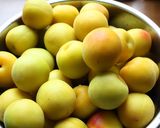
Select only the unblemished fruit from the ripe ume plums you have, and wash them in water. There's no need to soak the plums to remove their bitterness. Unripe ume plums should not be used, since they won't become soft.
- 2
Wipe each washed plum one by one carefully using paper towels. Pry out the stem ends with a bamboo skewer.

- 3
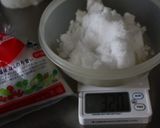
Measure the ume plums, and then measure out 8% of their weight in coarse salt.
- 4
Put the ume plums from Step 2 into brand new poly bags, and sprinkle them with the coarse salt. Sprinkle in the white liquor too. Close up the bags with elastic bands while expressing the air out of them.

- 5
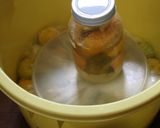
Put the filled bags from Step 4 in a large tub (a packing box is fine). Put plates or pot lids on them, and add light weights (1 to 2 kg). Unopening salt or sugar boxes are convenient weights.
- 6
Put the container in a place where you can take a look at it frequently until a lot of liquid (ume-su) comes out of the ume plums. Once the liquid comes out, lighten the weights so that the plums don't get crushed.
- 7
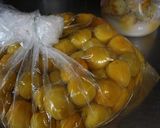
When the plums are completely immersed in the liquid, you don't need to weight them down anymore. Leave the bags as is in the container until the rainy season has ended (after June).
- 8
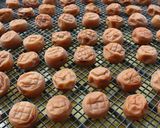
When the rainy season has ended, dry the umeboshi in a sunny place for 3 days. You can put the plums back in the liquid if you like, but since they are soft and juicy anyway, I just took them inside.
- 9
Don't let the umeboshi become wet! Watch out for sudden rains or evening thunderstorms.
- 10
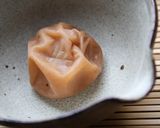
Done!
- 11
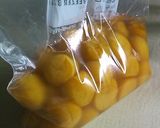
I used these large ziplock bags, to make 1.5 kg batches of umeboshi. They will exude a lot of liquid (ume-su) in 2 to 3 days. Line them up with the zip side up in a packing box. Take the weights off once the plums are immersed in liquid.
Made this recipe? Share a Cooksnap!
Let cookpad.japan know how it turned out.
Nothing says thank you like a photo!

Someone made your recipe and shared a Cooksnap!

Did you know that you can import recipes from anywhere into Cookpad with one click?
https://blog.cookpad.com/us/cookpad-recipe-import-feature-save-recipes-from-anywhere/
Download Cookpad app to plan your meals and store your cooking ideas in one safe place! https://cookpad.wasmer.app/us/download
People also looked for
Keywords
Similar Recipes
More Recipes
-
Beetroot Oats Savoury Pancakes

-

Soufflé Scramble (high protein)

-

Beetroot Spinach Roulade/ Pink & Green Roulade

-

Protein Sandwich Bread (low carb)
-

Diet biscuits whole wheat flour sa

-

-

Navratri Bhog Thali with Basundi and Poori

-


-


-


-


-


-


-

-

-

-
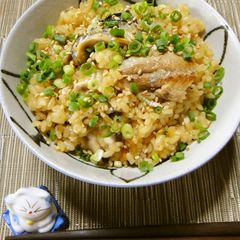
A Professional Chef's Easy Pacific Saury Rice










Comments