


4 Seasons Natsuminashitini

Spiritually, the pear signifies a time of loss, difficulty or separation but it also asks one to look at life from a different perspective as sometimes what one is losing is creating an opportunity that leads in a healthier more fulfilling direction.
The Nashi pear is a species native to East Asia and is available in the autumn months. The tree's edible fruit is known by many names around the world but Nashi is the Japanese word for pear. It is one of the rare species that ripen on the tree. This variety is Koshi (golden) which means ‘juice of good fortune’ and is sweet, crisp and juicy like an apple but with the flavour of pear.
Historically sake was only brewed in the winter months because the rice, which was harvested in autumn, required rest before being polished down. The cold temperatures are ideal for fermentation and help preserve the flavours. Some winter sake styles include yukimuro which is aged in an insulated cellar cooled by snow and yukikamoshi which is brewed with melted snow.
Yuzu trees flower in the spring, produce green fruit in the summer which ripen in autumn. The juice is sweet, sour and tart, with floral and herbal notes.
Natsumi is a Japanese name that combines the words natsu, (summer) and mi (beautiful). The name conveys the idea of a beautiful summer and reflects Japan's appreciation for nature and the changing seasons.
This is a saketini style cocktail with gin and sake but balanced with nashi and yuzu. Kanpai!
#GlobalApron
4 Seasons Natsuminashitini
Spiritually, the pear signifies a time of loss, difficulty or separation but it also asks one to look at life from a different perspective as sometimes what one is losing is creating an opportunity that leads in a healthier more fulfilling direction.
The Nashi pear is a species native to East Asia and is available in the autumn months. The tree's edible fruit is known by many names around the world but Nashi is the Japanese word for pear. It is one of the rare species that ripen on the tree. This variety is Koshi (golden) which means ‘juice of good fortune’ and is sweet, crisp and juicy like an apple but with the flavour of pear.
Historically sake was only brewed in the winter months because the rice, which was harvested in autumn, required rest before being polished down. The cold temperatures are ideal for fermentation and help preserve the flavours. Some winter sake styles include yukimuro which is aged in an insulated cellar cooled by snow and yukikamoshi which is brewed with melted snow.
Yuzu trees flower in the spring, produce green fruit in the summer which ripen in autumn. The juice is sweet, sour and tart, with floral and herbal notes.
Natsumi is a Japanese name that combines the words natsu, (summer) and mi (beautiful). The name conveys the idea of a beautiful summer and reflects Japan's appreciation for nature and the changing seasons.
This is a saketini style cocktail with gin and sake but balanced with nashi and yuzu. Kanpai!
#GlobalApron
 Open in Cookpad App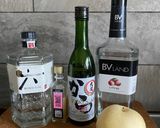

Made this recipe? Share a Cooksnap!
Let Laura know how it turned out.
Nothing says thank you like a photo!

Someone made your recipe and shared a Cooksnap!


Similar Recipes
More Recipes
-
The best braised red cabbage (slow cooker)

-
Authentic, English-style Crumpets

-

-

-


-


-

Moonlit Rose🌹 Flavoured Doodh Poha

-


-


-


-


-

 Alyssa
 -

California Farm Stuffed Leg of Lamb

-


-

My honey,mustard and maple syrup glazed ham
Jay cottier -


-


-
-


-

Camembert Bacon Walnut Flatbread Bites

-


-
Quick & Easy Miso Ramen for One Person

-





Comments (3)