CookpadCookpad
Guest
Register or Log In
Save and create recipes, send cooksnaps and more
  • Search
  • Premium
    • Top Cooksnapped Recipes
    • Top Viewed Recipes
  • Premium
  • Challenges
  • FAQ
  • Send Feedback
  • Region
  • Your Collection
Your Collection
To start creating your recipe library, please register or login.
The Mother of all Beets - Beetroot in Spicy Apple Cider Vinegar
Save this recipe to come back to it later.
  • Add Cooksnap
  • Add to folders
  • Print
  • Share
    • Copied!
    • Email
    • Facebook
    • Pin it
    • Twitter
  • Report Recipe
  • See report
  • Edit recipe
  • Delete
CookpadCookpad
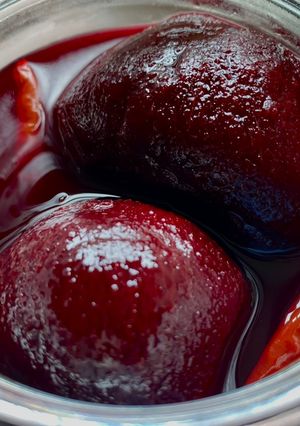
A picture of The Mother of all Beets - Beetroot in Spicy Apple Cider Vinegar.

The Mother of all Beets - Beetroot in Spicy Apple Cider Vinegar

Laura
Laura @FeelBetter
Milton Keynes, England

Beetroot evolved from wild sea beet found along coastlines from England to Oman. Its botanical name Beta comes from the Celtic 'bett' meaning red and root from the late Old English rōt.

An Assyrian text of around 800 BCE describes beetroot growing in the Hanging Gardens of Babylon, one of the seven wonders of the ancient world. The ancient Greeks and Romans ate the leaves and used the leaves and roots medicinally. Hippocrates bound wounds with beetroot leaves and the plants were also used to treat fevers, constipation and skin conditions. Early Roman recipes suggest cooking the leaves with wine and honey.

By the 16th century the roots had become more bulbous and were being eaten. Beetroot became especially popular in central and eastern Europe, where many classic dishes such as the famous borscht soup evolved. During the 17th century wine was often coloured with beetroot.
In Victorian Britain, the roots were added to sweet dishes such as cakes and puddings in addition to their savoury uses in soups and salads. The Victorians also used beetroot juice as a hair dye. Today beetroot juice is sometimes added to strawberry jam, tomato paste and ice cream to improve their colour.

Rather than use malt vinegar which can be harsh and needs to be balanced with sugar, I’ve used raw apple cider vinegar (5%+) and flavoured with bay leaves, sea salt, mustard seeds and dried chillies for a spicy kick. Once the beetroot has been eaten, drink the liquid as a morning shot. #Global Apron

Beetroot evolved from wild sea beet found along coastlines from England to Oman. Its botanical name Beta comes from the Celtic 'bett' meaning red and root from the late Old English rōt.

An Assyrian text of around 800 BCE describes beetroot growing in the Hanging Gardens of Babylon, one of the seven wonders of the ancient world. The ancient Greeks and Romans ate the leaves and used the leaves and roots medicinally. Hippocrates bound wounds with beetroot leaves and the plants were also used to treat fevers, constipation and skin conditions. Early Roman recipes suggest cooking the leaves with wine and honey.

By the 16th century the roots had become more bulbous and were being eaten. Beetroot became especially popular in central and eastern Europe, where many classic dishes such as the famous borscht soup evolved. During the 17th century wine was often coloured with beetroot.
In Victorian Britain, the roots were added to sweet dishes such as cakes and puddings in addition to their savoury uses in soups and salads. The Victorians also used beetroot juice as a hair dye. Today beetroot juice is sometimes added to strawberry jam, tomato paste and ice cream to improve their colour.

Rather than use malt vinegar which can be harsh and needs to be balanced with sugar, I’ve used raw apple cider vinegar (5%+) and flavoured with bay leaves, sea salt, mustard seeds and dried chillies for a spicy kick. Once the beetroot has been eaten, drink the liquid as a morning shot. #Global Apron

Read more

The Mother of all Beets - Beetroot in Spicy Apple Cider Vinegar

Laura
Laura @FeelBetter
Milton Keynes, England

Beetroot evolved from wild sea beet found along coastlines from England to Oman. Its botanical name Beta comes from the Celtic 'bett' meaning red and root from the late Old English rōt.

An Assyrian text of around 800 BCE describes beetroot growing in the Hanging Gardens of Babylon, one of the seven wonders of the ancient world. The ancient Greeks and Romans ate the leaves and used the leaves and roots medicinally. Hippocrates bound wounds with beetroot leaves and the plants were also used to treat fevers, constipation and skin conditions. Early Roman recipes suggest cooking the leaves with wine and honey.

By the 16th century the roots had become more bulbous and were being eaten. Beetroot became especially popular in central and eastern Europe, where many classic dishes such as the famous borscht soup evolved. During the 17th century wine was often coloured with beetroot.
In Victorian Britain, the roots were added to sweet dishes such as cakes and puddings in addition to their savoury uses in soups and salads. The Victorians also used beetroot juice as a hair dye. Today beetroot juice is sometimes added to strawberry jam, tomato paste and ice cream to improve their colour.

Rather than use malt vinegar which can be harsh and needs to be balanced with sugar, I’ve used raw apple cider vinegar (5%+) and flavoured with bay leaves, sea salt, mustard seeds and dried chillies for a spicy kick. Once the beetroot has been eaten, drink the liquid as a morning shot. #Global Apron

Beetroot evolved from wild sea beet found along coastlines from England to Oman. Its botanical name Beta comes from the Celtic 'bett' meaning red and root from the late Old English rōt.

An Assyrian text of around 800 BCE describes beetroot growing in the Hanging Gardens of Babylon, one of the seven wonders of the ancient world. The ancient Greeks and Romans ate the leaves and used the leaves and roots medicinally. Hippocrates bound wounds with beetroot leaves and the plants were also used to treat fevers, constipation and skin conditions. Early Roman recipes suggest cooking the leaves with wine and honey.

By the 16th century the roots had become more bulbous and were being eaten. Beetroot became especially popular in central and eastern Europe, where many classic dishes such as the famous borscht soup evolved. During the 17th century wine was often coloured with beetroot.
In Victorian Britain, the roots were added to sweet dishes such as cakes and puddings in addition to their savoury uses in soups and salads. The Victorians also used beetroot juice as a hair dye. Today beetroot juice is sometimes added to strawberry jam, tomato paste and ice cream to improve their colour.

Rather than use malt vinegar which can be harsh and needs to be balanced with sugar, I’ve used raw apple cider vinegar (5%+) and flavoured with bay leaves, sea salt, mustard seeds and dried chillies for a spicy kick. Once the beetroot has been eaten, drink the liquid as a morning shot. #Global Apron

Read more
Saved
Save this recipe to come back to it later.
Edit recipe
See report
Add to folders
Add CooksnapAdd Cooksnap
ShareShare
  • Copied!
  • Email
  • Facebook
  • Pin it
  • Twitter
PrintPrint
  • PrintPrint
  • Add CooksnapAdd Cooksnap
  • Report Recipe
  • See report
  • Delete
Share
  • Copied!
  • Email
  • Facebook
  • Pin it
  • Twitter
Save this recipe to come back to it later.
  • Add Cooksnap
  • Add to folders
  • Print
  • Report Recipe
  • See report
  • Edit recipe
  • Delete

Ingredients

30 minutes
1 jar
  1. Bunchbeetroot (500g)
  2. 350 mlapple cider vinegar
  3. 350 mlwater
  4. 2 tbspsea salt
  5. 2– 4 dried chillies
  6. 1 tspmustard seeds
  7. 2– 3 bay leaves
Cookpad Open in Cookpad App
Saved
Save this recipe to come back to it later.

Steps

30 minutes
  1. 1

    Trim off the stem and taproot and wash the beets. Place the beets in a pan of water and bring to the boil. Reduce the heat and simmer until tender – around 20–30 minutes for medium beets and 45- 50 minutes for larger beets. Place in cold water and rub off the skins.
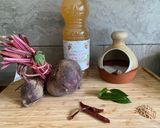
    A picture of step 1 of The Mother of all Beets - Beetroot in Spicy Apple Cider Vinegar.
  2. 2

    Combine the apple cider vinegar, water, sea salt, dried chillies, mustard seeds and bay leaves in a pot. Heat until the salt has dissolved then set aside to cool. Place the beetroot in a steralized jar then pour over the pickling liquid. Seal the jar and place in the fridge for at least 2 days. Use within 2 months.
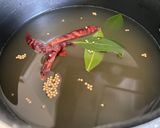
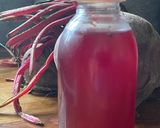
    A picture of step 2 of The Mother of all Beets - Beetroot in Spicy Apple Cider Vinegar.
    A picture of step 2 of The Mother of all Beets - Beetroot in Spicy Apple Cider Vinegar.
Saved
Save this recipe to come back to it later.
Edit recipe
See report
Add to folders
Add CooksnapAdd Cooksnap
ShareShare
  • Copied!
  • Email
  • Facebook
  • Pin it
  • Twitter
PrintPrint
  • PrintPrint
  • Add CooksnapAdd Cooksnap
  • Report Recipe
  • See report
  • Delete

Cooksnaps

Saved
Save this recipe to come back to it later.
  • Add Cooksnap
  • Add to folders
  • Print
  • Share
    • Copied!
    • Email
    • Facebook
    • Pin it
    • Twitter
  • Report Recipe
  • See report
  • Edit recipe
  • Delete

Copied!

Laura
Laura @FeelBetter
on July 02, 2024 10:30
Milton Keynes, England
Out and Out FoodieSandgrounder#FeelBetterMK
Read more

Comments

Guest
Add a comment
0/0

Similar Recipes

More Recipes

  1. A picture of Bananarama.

    Bananarama

    Laura Laura
  2. A picture of Cinnamon Semolina Cookies.

    Cinnamon Semolina Cookies

    ifuchi ifuchi
  3. A picture of Roasted Ji (yam) and sauce.

    Roasted Ji (yam) and sauce

    ifuchi ifuchi
  4. A picture of Japanese Egg Sandwich.

    Japanese Egg Sandwich

    Pinkblanket's Kitchen Pinkblanket's Kitchen
  5. A picture of Cinnamon Simple Syrup.

    Cinnamon Simple Syrup

    ifuchi ifuchi
  6. A picture of Lolo (Sindhi Sweet Bhakri).

    Lolo (Sindhi Sweet Bhakri)

    Laju Gehani Laju Gehani
  7. A picture of Sponge Chocolate Cake.

    Sponge Chocolate Cake

    evamamo evamamo
  8. A picture of Garlic Herb Grilled Corn Ribs For Summer.

    Garlic Herb Grilled Corn Ribs For Summer

    Ilovetocookrecipes Ilovetocookrecipes
  9. A picture of Bitter and Sugar This Is My Best Ever Omelette I Tried.

    Bitter and Sugar This Is My Best Ever Omelette I Tried

    Rithish Rithish
  10. A picture of Punjabi Moong Masala Curry With Triangle Paratha.

    Punjabi Moong Masala Curry With Triangle Paratha

    Manisha Sampat Manisha Sampat
  11. A picture of Chicken Bacon Ranch Penne Pasta.

    Chicken Bacon Ranch Penne Pasta

    cindybear cindybear
  12. A picture of Basic Fried Potatoes.

    Basic Fried Potatoes

    SherryRandall: The Leftover Chronicles SherryRandall: The Leftover Chronicles
  13. A picture of Thai-Inspired Garlic Shrimp 🍤.

    Thai-Inspired Garlic Shrimp 🍤

    Chris Gan Chris Gan
  14. A picture of My best-ever Tortilla omelet.

    My best-ever Tortilla omelet

    TheMasterAxolotl TheMasterAxolotl
  15. A picture of Pepperjack Pork Empanada.

    Pepperjack Pork Empanada

    Minda Minda
  16. A picture of Gujarati Special Idada (Rava bites).

    Gujarati Special Idada (Rava bites)

     Dr Vidyashree Dr Vidyashree
  17. A picture of Perfect maandazi snack 😋.

    Perfect maandazi snack 😋

    Elssie Bef Elssie Bef
  18. A picture of Jaggery Malpua Monsoon ☔️ Special.

    Jaggery Malpua Monsoon ☔️ Special

    Alka Bhandari Alka Bhandari
  19. A picture of Pudina (Raita).

    Pudina (Raita)

    Ankita Kapil Varshney Ankita Kapil Varshney
  20. A picture of BHINDI (Besan wali Bhindi masala).

    BHINDI (Besan wali Bhindi masala)

    Jyoti Prakash Assudani Jyoti Prakash Assudani
  21. A picture of Zucchini Salad with Pecorino, Basil and Almonds.

    Zucchini Salad with Pecorino, Basil and Almonds

    Ricardo Ricardo
  22. A picture of Jamun Eclairs.

    Jamun Eclairs

    Madhumita Bishnu Madhumita Bishnu
  23. A picture of Pesto pasta.

    Pesto pasta

    vita vita
  24. A picture of Beetroot poha cutlet.

    Beetroot poha cutlet

    Supriya Devkar Supriya Devkar
  25. A picture of Protein Pancake.

    Protein Pancake

    Mitja Beuthe Mitja Beuthe
https://cookpad.wasmer.app/us/recipes/23899321
Cookpad Open in Cookpad App

About Us

Our mission at Cookpad is to make everyday cooking fun, because we believe that cooking is key to a happier and healthier life for people, communities and the planet. We empower home cooks all over the world to help each other by sharing their recipes and cooking experiences.

Subscribe to Premium for exclusive features & benefits!

Cookpad Communities

🇺🇸 United States 🇬🇧 United Kingdom 🇪🇸 España 🇦🇷 Argentina 🇺🇾 Uruguay 🇲🇽 México 🇨🇱 Chile 🇻🇳 Việt Nam 🇹🇭 ไทย 🇮🇩 Indonesia 🇫🇷 France 🇸🇦 السعودية 🇹🇼 臺灣 🇮🇹 Italia 🇮🇷 ایران 🇮🇳 India 🇭🇺 Magyarország 🇳🇬 Nigeria 🇬🇷 Ελλάδα 🇲🇾 Malaysia 🇵🇹 Portugal 🇺🇦 Україна 🇯🇵 日本 See All

Learn More

Cookpad Premium Careers Feedback Blog Terms of Service Community Guidelines Privacy Policy Frequently Asked Questions

Download our app

Open Cookpad App on Google Play Open Cookpad App on App Store
Copyright © Cookpad Inc. All Rights Reserved
close