Authentic home cooking from Egypt, with US measurements.
Stuffed Cabbage with a Blend of Flavors from Around the World

Stuffed vegetable fillings vary from country to country, and the cooking liquid also differs depending on the region. This dish is popular in Syria, especially in Aleppo, where stuffed vegetables are famous. It's also cooked in Lebanon, Turkey, Jordan, Palestine, Egypt, and Libya. The dish is served hot as a main course. In Syria, mint and garlic are added for a unique flavor. In Europe, creative new stuffing blends have emerged, and the recipe I’m sharing combines the best from all these cultures. From Egypt, I’ve adopted the method of rolling the stuffed cabbage into thin shapes to add a personal Egyptian touch. Although stuffed vegetables didn’t originate in Egypt, they are a favorite among Egyptians. If you’re invited to a meal in an Egyptian home, you’ll likely find stuffed vegetables on the table. The dish doesn’t have Arab roots; it was first made by people in India and Indonesia, who, as rice producers, didn’t eat much bread. They created a rice mixture, wrapped it in banana leaves, and after cooking, ate the filling and discarded the leaves. It’s said that stuffed vegetables are an Ottoman dish that became popular in the Levant, Egypt, Iraq, the Balkans, and the Caucasus. The method spread, and according to Ibn Battuta, Arabs used cabbage, radish, or lettuce leaves, which evolved into today’s variety of stuffed vegetables like tomatoes, peppers, eggplant, onions, and potatoes. With my experience in European-style stuffed vegetables, I wanted to prepare it in an Arabic way using only cabbage and a sauce inspired by Indonesian cuisine. I welcome your comments and feedback. Thank you.
Important note: Do not soak the rice for stuffing; just wash it.
Stuffed Cabbage with a Blend of Flavors from Around the World
Stuffed vegetable fillings vary from country to country, and the cooking liquid also differs depending on the region. This dish is popular in Syria, especially in Aleppo, where stuffed vegetables are famous. It's also cooked in Lebanon, Turkey, Jordan, Palestine, Egypt, and Libya. The dish is served hot as a main course. In Syria, mint and garlic are added for a unique flavor. In Europe, creative new stuffing blends have emerged, and the recipe I’m sharing combines the best from all these cultures. From Egypt, I’ve adopted the method of rolling the stuffed cabbage into thin shapes to add a personal Egyptian touch. Although stuffed vegetables didn’t originate in Egypt, they are a favorite among Egyptians. If you’re invited to a meal in an Egyptian home, you’ll likely find stuffed vegetables on the table. The dish doesn’t have Arab roots; it was first made by people in India and Indonesia, who, as rice producers, didn’t eat much bread. They created a rice mixture, wrapped it in banana leaves, and after cooking, ate the filling and discarded the leaves. It’s said that stuffed vegetables are an Ottoman dish that became popular in the Levant, Egypt, Iraq, the Balkans, and the Caucasus. The method spread, and according to Ibn Battuta, Arabs used cabbage, radish, or lettuce leaves, which evolved into today’s variety of stuffed vegetables like tomatoes, peppers, eggplant, onions, and potatoes. With my experience in European-style stuffed vegetables, I wanted to prepare it in an Arabic way using only cabbage and a sauce inspired by Indonesian cuisine. I welcome your comments and feedback. Thank you.
Important note: Do not soak the rice for stuffing; just wash it.
 Open in Cookpad App
Steps
- 1
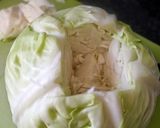
Cut the core from the raw cabbage like this.
- 2
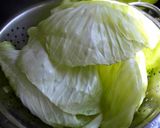
Separate the leaves, wash them well, and drain. Place them in a pot of boiling water with salt and cumin until the leaves soften.
- 3
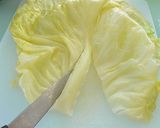
After boiling, trim the thick veins from the leaves like this.
- 4
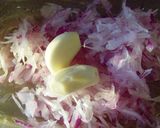
Chop the onions and garlic.
- 5
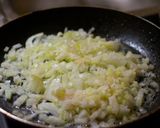
Sauté them in oil over heat.
- 6
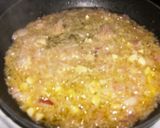
Cook until softened like this.
- 7
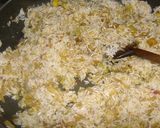
Add the washed rice to the softened onions so it absorbs the garlic and onion aroma.
- 8
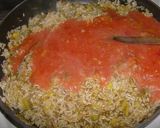
Grate the tomatoes and add them, along with the tomato paste, lemon juice, and all the spices, to the pan.
- 9
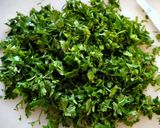
Chop the cilantro and basil leaves.
- 10
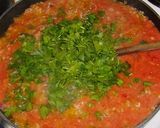
Add them to the pan as well.
- 11
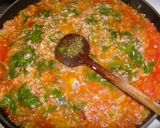
Stir well until all the ingredients are combined and the rice starts to absorb the flavors. Add 1/2 teaspoon nutmeg.
- 12
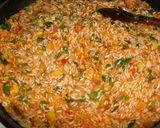
Continue until the mixture is almost dry. Let it cool slightly while you prepare the sauce.
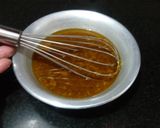
- 13
Combine all the sauce ingredients together without heating. Whisk to blend.
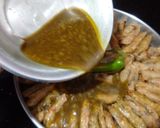
- 14
Roll the cabbage leaves into thin stuffed rolls and arrange them in a baking dish. Pour the sauce evenly over the rolls like this.
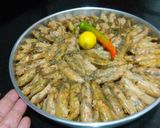
- 15
Make sure the sauce covers all the rolls. I do not cook the stuffed cabbage on the stovetop.
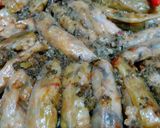
- 16
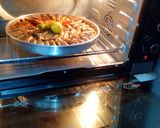
Instead, I bake it in the oven at a very low temperature, uncovered, letting it steam gently. This gives it a slightly roasted flavor and a nice color.
- 17
Here it is before it’s fully cooked, just after placing it in the oven.
- 18
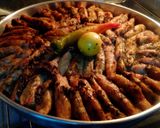
Once done, it smells amazing and looks irresistible.
- 19
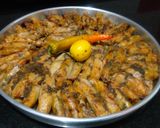
As you can see here.
- 20
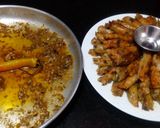
Serve hot on plates, spooning the sauce from the baking dish over each roll.
- 21
Serve like this.
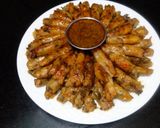
- 22
With roasted hot pepper, peeled.
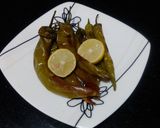
- 23
Like this.
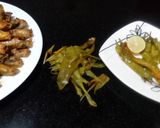
- 24
Serve it on its own, without any side dishes.
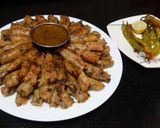
- 25
Like this.
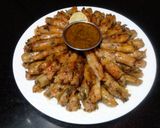
- 26
Or like this, since a stylish presentation shows care and love for your family.
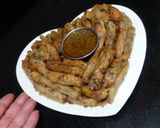
- 27
I hope you enjoyed the recipe, and bon appétit!
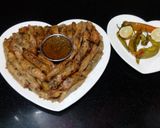
Cooksnaps

Keywords
Similar Recipes
More Recipes
-

-

-

-
Five Minute Healthy Vegetable Meal

-

-
Methi Thepla With Dry Chana Sabji

-

-
 Tom Jacobs
 -

-


-
Spicy Shrimp Sweet Potato Boat and Avocado Crema

-

-
 Suman Baid
 -
 chidinmapearl
 -
Cabbage stuffed tomamo ki sabji
Vaishali Jindal -
 Meenu Ahluwalia
 -
Moong dhuli (yellow) or chana dal
-
 chidinmapearl
 -

-
Baked manchurian bolls with curry