From Cookpad - Ricette Base's kitchen in Italy.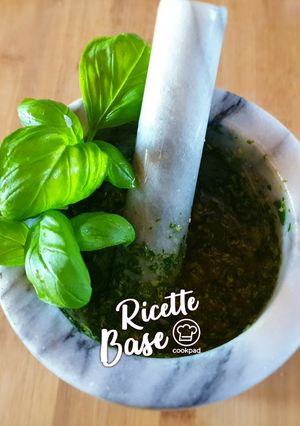
Pesto Without Garlic

Difficulty: ★ ☆ ☆
This is one of the most popular sauces in Italy. Over time, many different versions and variations have appeared. The classic pesto, however, comes from Liguria, where it originated in the early 1800s. In this tutorial, we're sharing our version, which is a bit lighter than the original. How do you make your pesto, and what vegetables do you use? Share your recipes with us.
Pesto Without Garlic
Difficulty: ★ ☆ ☆
This is one of the most popular sauces in Italy. Over time, many different versions and variations have appeared. The classic pesto, however, comes from Liguria, where it originated in the early 1800s. In this tutorial, we're sharing our version, which is a bit lighter than the original. How do you make your pesto, and what vegetables do you use? Share your recipes with us.
 Open in Cookpad App
Steps
- 1
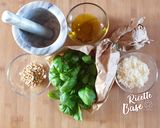
This pesto will be intentionally more rustic and less creamy. Start by preparing all your ingredients and keeping them within reach, as pesto should be made quickly to prevent the basil leaves from oxidizing and to keep the sauce a bright green color. You can make this recipe using either a mortar and pestle or a food processor.
- 2
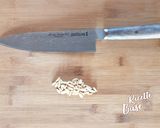
Chop the pine nuts with a knife to make them easier to crush if you’re using a mortar and pestle.

- 3
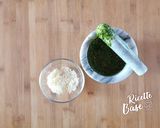
Gently clean the basil leaves with a cloth or wash them carefully, then let them dry. Place the coarse salt and basil leaves in the mortar or food processor. Begin to crush or blend. Gradually add some of the extra virgin olive oil and the pine nuts, continuing to crush or blend. Choose a mild olive oil so it doesn’t overpower the basil flavor.


- 4
Add the Parmesan cheese. If you like, you can also add some Pecorino cheese for a stronger flavor. Continue mixing.
- 5
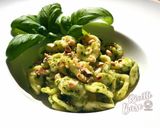
Adjust the salt to taste. In this case, we used the pesto to dress orecchiette pasta. Simply cook your chosen pasta, toss it with the pesto in a bowl, and separately toast some pine nuts in a nonstick pan, then chop them to use as a final garnish. Assemble the dish.
- 6
Tips:
✔️ If using a food processor, chill the bowl and blade in the refrigerator for at least an hour before making the pesto to prevent overheating and oxidation.
✔️ Pesto can be stored in the freezer for up to 3 months and thawed at room temperature. - 7
Mistakes:
❌ Washing the basil leaves too vigorously can break the small sacs that hold the essential oils, speeding up oxidation. Be very gentle!
❌ Over-processing the pesto in a food processor can cause it to oxidize. Blend in short bursts.
Cooksnaps

Keywords
Similar Recipes
More Recipes
-


-


-


-

-

-


-

-

-


-

Low Carb Chicken Avocado Cucumber Boats (Keto friendly)

-

-


-


-


-

Amala and fresh fish vegetable stew
 lilian gold
 -


-


-


-


-

-
 Mrs adesanya