

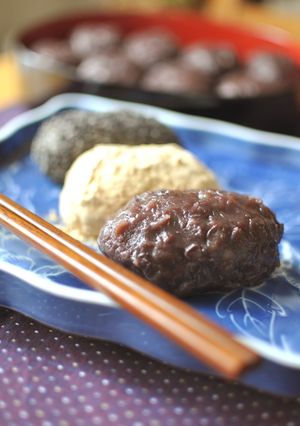
Spring Botamochi and Autumn Ohagi

We take seasonal traditions very seriously in my hometown and this is an ohagi recipe passed down to me by my mother and aunt. Depending on the season, we call this "Botamochi" in the spring and "Ohagi" in the autumn, which are the names of the flowers that bloom in that season.
You can make these ohagi with non-glutinous rice by adding 1 cup of non-glutinous rice and reducing the amount of mochi rice by 1 cup. If you do this, the ohagi will taste less mochi-like, but will stay chewy and soft for a longer time. (Recipe by La Land)
Spring Botamochi and Autumn Ohagi
We take seasonal traditions very seriously in my hometown and this is an ohagi recipe passed down to me by my mother and aunt. Depending on the season, we call this "Botamochi" in the spring and "Ohagi" in the autumn, which are the names of the flowers that bloom in that season.
You can make these ohagi with non-glutinous rice by adding 1 cup of non-glutinous rice and reducing the amount of mochi rice by 1 cup. If you do this, the ohagi will taste less mochi-like, but will stay chewy and soft for a longer time. (Recipe by La Land)
 Open in Cookpad App
Steps
- 1
Prepare your tsubu-an (see this recipe for my homemade tsubu-an: https://cookpad.wasmer.app/en/recipes/148675)
https://cookpad.wasmer.app/us/recipes/148675-the-ultimate-anko-paste-tsubu-an
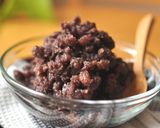
- 2
Combine the mochi rice and white rice and rinse it. Add the rice to a rice cooker with the same amount of water as cooking regular white rice. Leave the rice to soak for 30 minutes then cook as usual. Steam for another 10 minutes.
- 3
Transfer the rice to a bowl. Using a wettened wooden pestle, half-mash the rice.
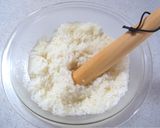
- 4
Using wet hands, shape the rice into the amount of botamochi and ohagi that you would like to make. Shape the tsubu-an into the same sizes.
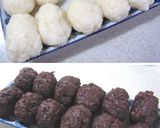
- 5
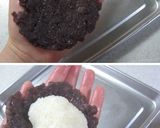
Pick up the balls of tsubu-an and flatten them in the palm of your hand. Add a ball of mochi rice on top. Wrap the tsubu-an around the rice whilst perfecting the circular shape.
- 6
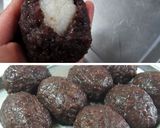
And the ohagi are done. For bigger ohagi it's better that the tsubu-an doesn't stretch all the way around. The plate won't get as dirty and the ohagi will be easier to pick up.
- 7
How to make 3 kinako ohagi: Combine 2 tablespoons kinako and 3/4 to 1 tablespoon sugar in a small bowl.
- 8
How to make 3 sesame ohagi: Ground black sesame seeds: 2 tablespoons Sugar: 3/4-1 tablespoon Combine the sesame seeds and sugar in a small bowl.
- 9
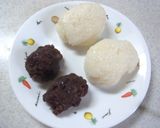
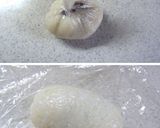
Make the rice balls very large, about 1.5 times the size of the ones in step 4. Make the balls of tsubuan half the size of the ones in step 4.
- 10
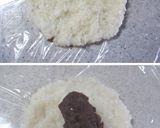
Place a rice ball on top of a sheet of cling film and flatten it out to around 10 cm diameter. Place a ball of tsubu-an on top.
- 11
Gather up the wrap and use it to shape ohagi into a ball.
- 12
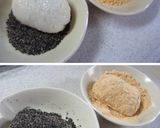
Place the balls into a dish of either the kinako mixture or the sesame mixture and roll them around until completely coated. Done!
- 13
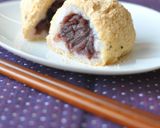
The center should look like this.
- 14
You can keep leftover ohagi in the freezer. Please freeze them while they are still soft. If you don't defrost them in the microwave they will stay soft.

Linked Recipes
Cooksnaps

Did you know that you can import recipes from anywhere into Cookpad with one click?
https://blog.cookpad.com/us/cookpad-recipe-import-feature-save-recipes-from-anywhere/
Download Cookpad app to plan your meals and store your cooking ideas in one safe place! https://cookpad.wasmer.app/us/download
Keywords
Similar Recipes
More Recipes
-

-

-

-

The Everything Breakfast Stack 🥯

-

-

-
Besan Barfi - Chickpeas Flour Sweet

-

-


-

Ray's' Ooey Gooey Peanut Butter Treats

-

-

-


-

-
Traditional Japanese Treats (that you can make abroad)
-


-

Gateau au Chocolat In a Frying Pan
-

 FaithK
 -

Roast Chicken for Holiday Dinner
-
Simmered Lotus Root and Chicken
-

Teriyaki Chicken With a Touch of Vinegar







Comments