Authentic home cooking from Taiwan, with US measurements.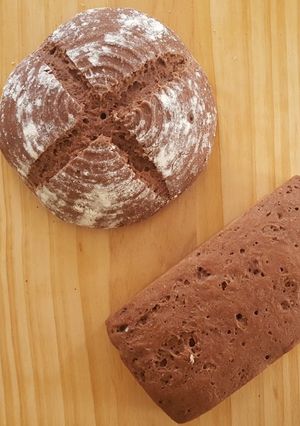
Pumpernickel Bread

I've been making bread continuously, and recently I've experimented with several types of bread using whole wheat flour and rye flour. I'll be organizing them gradually. Today, I'm sharing Pumpernickel Bread, with the method referenced from 'The Bread Baker's Apprentice'.
Pumpernickel Bread
I've been making bread continuously, and recently I've experimented with several types of bread using whole wheat flour and rye flour. I'll be organizing them gradually. Today, I'm sharing Pumpernickel Bread, with the method referenced from 'The Bread Baker's Apprentice'.
 Open in Cookpad App
Steps
- 1
Day 1: Make the rye starter. Mix all ingredients well and let ferment at room temperature for 4-8 hours. Check if the dough has expanded or bubbled, then refrigerate overnight.
- 2
Day 2: Make the final dough. Take the rye starter out of the fridge and let it come to room temperature for one hour.
- 3
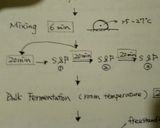
[Mixing] Mix all ingredients roughly, then knead the dough, trying not to exceed 6 minutes, as rye tends to get stickier the more you knead. The dough should be between 77-81°F (25-27°C) internally.
- 4
[Stretch and Fold] Let the dough rest for 20 minutes, then perform a stretch and fold. Do this three times over the course of one hour.
- 5
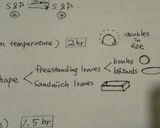
[First Fermentation] Let the dough ferment at room temperature for 2 hours, observing if it doubles in size.
- 6
[Dividing and Shaping] Divide the dough into two equal parts. Shape them into either round boules or bâtards without a mold, or use a loaf pan. After shaping, place them in the mold if using.
- 7
[Final Fermentation] Let the dough ferment at room temperature for 1.5 hours.
- 8
[Baking] Preheat the oven. Bake the bread without a mold at 392°F (200°C) for 15-30 minutes, and the loaf pan bread at about 356°F (180°C) for 20-50 minutes. Let cool after baking.
- 9
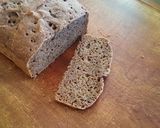
[Cooling and Enjoying] This bread contains about 25% rye flour, so it still rises noticeably during baking, with more and larger internal gaps than a full rye bread. (The lighting makes the bread appear lighter, but it is actually a deep cocoa color as shown in the next photo.)
- 10
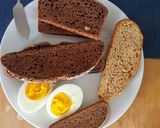
[Note 1] One day, while having breakfast, three different rye breads appeared together. You can see their cross-sections: the two on the top left are the same deep cocoa color as this shared bread, thanks to the added cocoa powder. The whitest one on the right is New York deli rye, with added fried onions for a rich aroma. The flattest one in the middle at the bottom is 100% whole rye sourdough, with added caraway seeds, and it's the most enduring.
- 11
[Note 2] Making rye bread initially left my hands sticky, and it killed the anticipation of watching the dough rise in the oven. They always expand slightly and calmly, but the aroma of rye after baking and the taste of a solid slice with butter is wonderful.
- 12
[Note 3] About Pumpernickel Bread: This method of making Pumpernickel is a bit of a shortcut, using cocoa powder, coffee powder, or caramel color to quickly dye the bread a deep brown. True Pumpernickel was traditionally baked in wood-fired ovens, placed inside at the end of the baking day to bake overnight using residual heat. Due to the low-temperature, long-duration baking, the starch in the rye dough almost completely converts to sugar, providing a dark appearance and aroma. Reference from 'Bread' by Jeffrey Hamelman.

Keywords
Similar Recipes
More Recipes
-

Tricolour Tandoori Paneer Tikka

-

-

-

-

-

-
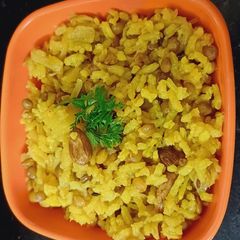
Masoor bhat (rice) for short break recipe

-
-
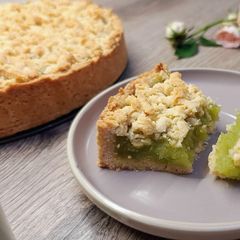
Apple Pie with Caramelized Apple Filling and Crispy Crumb Topping

-

-

-
Brad's lamb chops w/ vodka, tomato, basil, cream sauce

-

-

-

-
 Meldon Caren
 -

-

-

-


-

-
 Garima Nitin Awasthi