

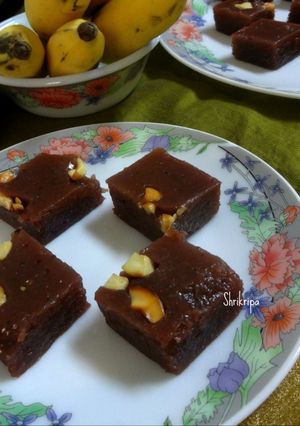
Banana Halwa:

#diwali
Banana or Plantain Halwa was an integral part of my childhood. Usually this Halwa is made by using Kerala big banana which is called as” Nendra variety” but in our home, we used to have lots of overripe bananas from our family farm. To finish off all those overripe small bananas (Kadali variety of Mangalore), amma used to make Halwa or Banana Preserve/ Berati all the time. It was a very regular sweet at our house hold. Today I will share this recipe to all our readers-
Banana Halwa:
#diwali
Banana or Plantain Halwa was an integral part of my childhood. Usually this Halwa is made by using Kerala big banana which is called as” Nendra variety” but in our home, we used to have lots of overripe bananas from our family farm. To finish off all those overripe small bananas (Kadali variety of Mangalore), amma used to make Halwa or Banana Preserve/ Berati all the time. It was a very regular sweet at our house hold. Today I will share this recipe to all our readers-
 Open in Cookpad App
Steps
- 1
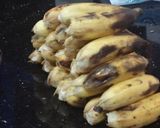
Put all the peeled bananas to mixer grinder and make a smooth paste. Measure this by using any bowl of your choice. If this paste is 3 cups in quantity take one cup of sugar in that same measurement cup. So, your ratio of banana paste, and sugar will be 3:1.
- 2
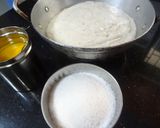
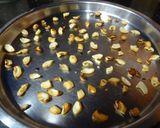
Fry cashew bits in a teaspoon of ghee and keep aside.Grease one plate with ghee and keep it ready.
- 3
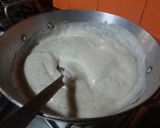
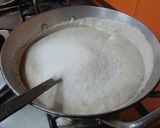
Take one thick bottomed kadai, put this paste and keep gas flame in a very low flame and cook for a while. When it changes it's colour to milky white and then to a pale colour and when you smell the banana flavour in the air, add sugar and mix this in at a regular interval.
- 4
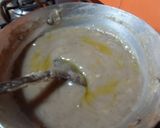
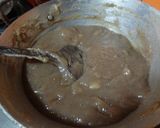
Add ghee 2 table spoons at a time in-between while stirring. If you feel that the banana paste needs a little more ghee, add up to ¾ cup, some varieties of bananas need very less ghee and some need more.
- 5
Now we will see, how we decide the quantity of ghee. While stirring if you feel that the mixture is a little dry and the bottom part becomes a little brown, keep adding it. If the ghee starts oozing at the sides, it is an indication to stop the addition of ghee.
- 6
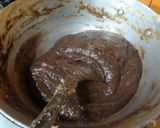
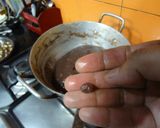
Now we will see how you know the donenness. It is very simple, keep on stirring until mixture leaves the sides of the kadai and ghee oozes out from the mixture. You can add cashew pieces at this stage or spread those pieces in a greased plate like me. After you are done with this, it is almost ready to shift to the plate. Before shifting I prefer to check, by taking one small peanut sized portion of the mixture and rolling it in-between my thumb and forefinger to make a small ball like structur
- 7
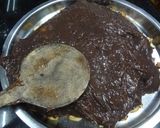
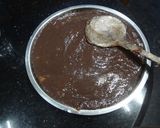
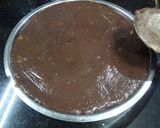
Now remove from the flame, shift to a greased plate and pat this mixture evenly by using a flat, greased (apply some ghee) back of the spoon.
- 8
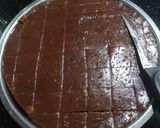
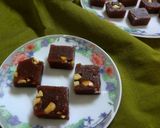
Keep this aside for two or three hours to cool. Then cut this into the desired shape and store it in an airtight container.

Similar Recipes
More Recipes
-

-

-
Easy and Digestible Warm Singhara Rab (Water Chestnut Porridge)

-

-
🥕✨ Creamy Carrot, Green Chilli & Basil Soup 🌿

-
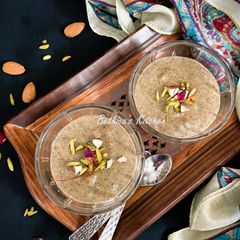
Kuttu Atta Phirni (Buckwheat Flour Pudding)

-

-

-

-


-

-

-

-

-
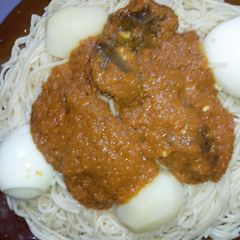
Spaghetti with stew, boiled eggs n irish

-


-
-
 Chirag Mehta
 -
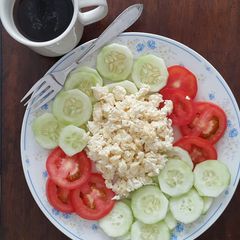
Scrambled eggs with tomato and cucumber salad

-
 Sunita Mehta
 -
 Suman Baid
 -






Comments