

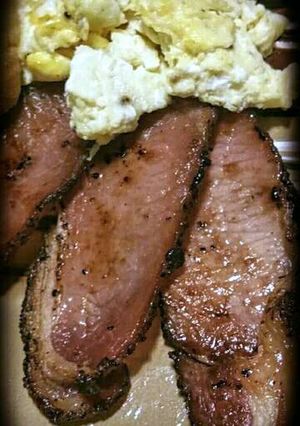
Applewood Smoked Buckboard Bacon

Buckboard bacon is made from pork shoulder rather than pork belly. Early American pioneers made it often. Sometimes you will see it called pioneer bacon, or homesteader bacon, but basically we're talking about a piece of pork other than the belly, which is cured and smoked. During America’s colonial and pioneer eras, when many of our regional cuisines were in the early stages of development, salt curing was essential for preserving foods and, thus, was in high demand. To protect meat from insects and other animals during the curing process, some cultures learned to suspend it in the smoke of a fire. Although slightly changed today, this recipe demonstrates both methods of early meat preservation.
Applewood Smoked Buckboard Bacon
Buckboard bacon is made from pork shoulder rather than pork belly. Early American pioneers made it often. Sometimes you will see it called pioneer bacon, or homesteader bacon, but basically we're talking about a piece of pork other than the belly, which is cured and smoked. During America’s colonial and pioneer eras, when many of our regional cuisines were in the early stages of development, salt curing was essential for preserving foods and, thus, was in high demand. To protect meat from insects and other animals during the curing process, some cultures learned to suspend it in the smoke of a fire. Although slightly changed today, this recipe demonstrates both methods of early meat preservation.
 Open in Cookpad App
Steps
- 1
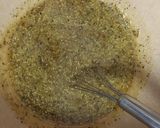
Mix all of the ingredients in a bowl except apple juice, pork, and applewood. Set aside.
- 2
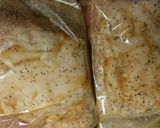
Place the Boston butt in a storage container or Ziploc bag. Pour the wet cure over the pork. Using your hands, make sure the pork is completely coated. Place a lid on the container and store in the refrigerator for one week, turning the pork once a day.
- 3
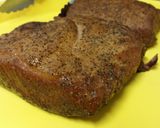
Smoke the pork at 200°F to an internal temperature of 152°F. Spray the pork with the apple juice once an hour.
- 4
Wrap in aluminum foil and let rest in the refrigerator over night.
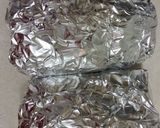
- 5
You can eat the bacon as is or fry it up.
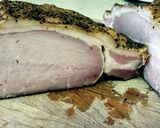
- 6
* Curing salts are used in food preservation to prevent or slow spoilage by bacteria or fungus. They usually contain sodium nitrite which serves to inhibit the growth of bacteria, specifically Clostridium botulinum in an effort to prevent botulism, and helps preserve the color of cured meat. Many also contain red dye that makes them pink to prevent them from being confused with common table salt. Curing salts are not to be confused with Himalayan pink salt, which is pure salt with trace elements that give it a pink color. The human digestive system manufactures nitrites naturally, which is thought to help prevent botulism, which would thrive in the anaerobic conditions and temperature range of the digestive system. However, it is important to note that large amounts of sodium nitrite can be hazardous to your health or even be lethal. The FDA deems sodium nitrite as safe used in the proper proportion.
Cooksnaps

Keywords
Similar Recipes
More Recipes
-
Wonton Chips / Wonton Crackers

-

-


-
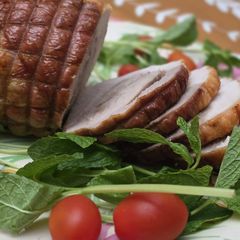
Boneless turkey white and dark meat roast

-

-

Traditional Moong-Urad daal pakode

-
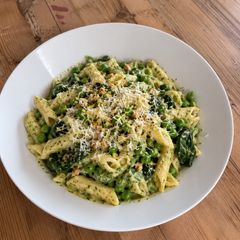
High-protein pea, spinach & walnut pesto pasta

-

-
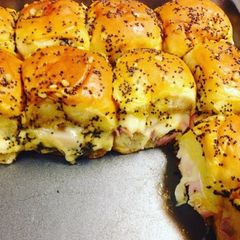
Poppyseed Ham and Cheese Sandwich Rolls/Sliders

-

-

Sunshine's chocolate covered cherries

-

-

-


-


-

-
 Dinkleburg
 -

-

-

-

-

-



Comments