Authentic home cooking from Vietnam, with US measurements.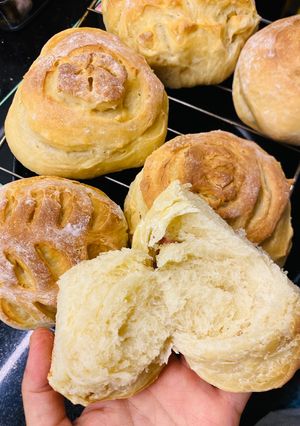
No-Knead Bread Made with Extra Sour Yogurt

I made some yogurt and forgot to put it in the fridge, so it turned extremely sour and was full of bubbles—too sour to eat, but I didn’t want to waste it. I poured it into a pot, not sure what to do next. After a while, I noticed lots of bubbles popping and the yogurt had doubled in volume, so I decided to mix in some flour and see if I could make bread. To my surprise, after letting it ferment overnight in the fridge, the bread turned out fluffy and delicious!
Yogurt contains lactic acid bacteria, usually Lactobacillus and Streptococcus, while most bread is fermented with Saccharomyces, a type of yeast. After some research, I found that sourdough bread can also contain lactic acid bacteria. You can read more here: https://cjfs.agriculturejournals.cz/artkey/cjf-202104-0008_identification-of-lactic-acid-bacteria-and-yeasts-from-traditional-sourdoughs-and-sourdough-production-by-enric.php
When I realized the yogurt had gone bad, I was really disappointed and blamed myself for wasting it. But someone reminded me not to be discouraged—there’s always a reason for things to happen. Thanks to this mistake, I learned that bread can be fermented mainly with lactic acid bacteria (and possibly some wild yeast from the air), which is really fascinating!
No-Knead Bread Made with Extra Sour Yogurt
I made some yogurt and forgot to put it in the fridge, so it turned extremely sour and was full of bubbles—too sour to eat, but I didn’t want to waste it. I poured it into a pot, not sure what to do next. After a while, I noticed lots of bubbles popping and the yogurt had doubled in volume, so I decided to mix in some flour and see if I could make bread. To my surprise, after letting it ferment overnight in the fridge, the bread turned out fluffy and delicious!
Yogurt contains lactic acid bacteria, usually Lactobacillus and Streptococcus, while most bread is fermented with Saccharomyces, a type of yeast. After some research, I found that sourdough bread can also contain lactic acid bacteria. You can read more here: https://cjfs.agriculturejournals.cz/artkey/cjf-202104-0008_identification-of-lactic-acid-bacteria-and-yeasts-from-traditional-sourdoughs-and-sourdough-production-by-enric.php
When I realized the yogurt had gone bad, I was really disappointed and blamed myself for wasting it. But someone reminded me not to be discouraged—there’s always a reason for things to happen. Thanks to this mistake, I learned that bread can be fermented mainly with lactic acid bacteria (and possibly some wild yeast from the air), which is really fascinating!
 Open in Cookpad App
Steps
- 1
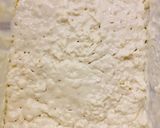
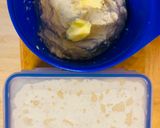
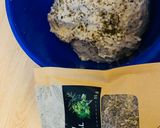
Combine the yogurt, flours, salt, sugar, butter (or extra virgin olive oil), and herbs in a bowl. Mix until you have a soft, sticky dough. If it’s too sticky, add more bread flour (or any flour you have). If it’s too dry, add more yogurt.
- 2
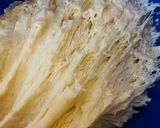
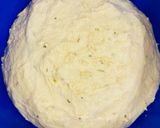
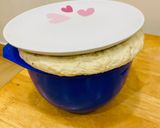
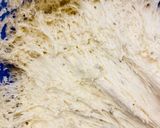
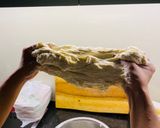
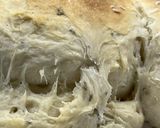
Cover and refrigerate the dough overnight. The next day, the dough should be soft, smooth, less sticky, and nearly doubled in size. When you pull the dough from the bowl, you’ll see stretchy strands. Stretch and fold the dough a few times, then shape it into a ball. Let it rise for 1 hour. Repeat this process 2 more times, then refrigerate overnight again. By morning, the dough will have expanded a lot. If you’re short on time, you can skip the second overnight rise and move to the next step.
- 3
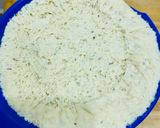
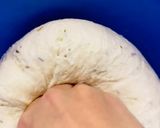
Stretch and fold the dough a few more times, then shape it into a ball again. The dough should be airy and elastic.

- 4
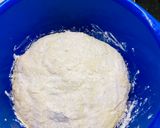
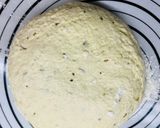
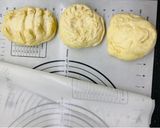
Dust the dough with a little flour, then turn it out onto a floured surface. Divide into 4 equal pieces.
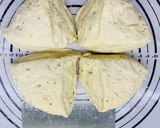
- 5
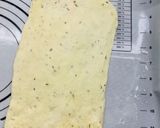
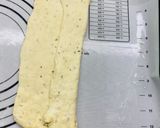
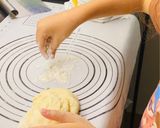
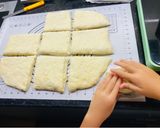
Dust with more flour to prevent sticking, then gently flatten each piece into a thin oval. Fold each piece into thirds, like a letter.
- 6
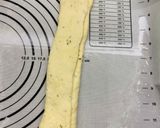
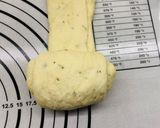
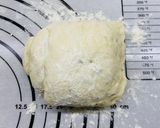
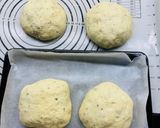
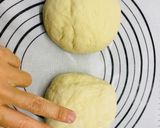
Gently stretch and roll each piece tightly. Use one finger to tuck in one end, then pinch the seam closed with two fingers. Repeat on the other end. Dust with more flour if needed and transfer to a baking sheet.
- 7
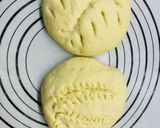
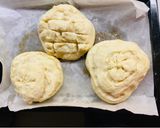
This is a fun step for kids—the dough is soft, smooth, and easy to shape. Use scissors to score the tops of the loaves. This step is called scoring.
- 8
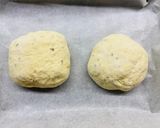
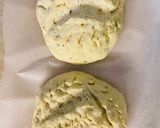
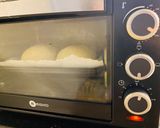
Let the dough rest on the baking sheet for 30 minutes. Meanwhile, preheat the oven to 375°F (190°C). After 30 minutes, the dough will have risen more. Bake at 375°F (190°C) for 30 minutes.
- 9
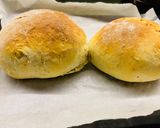
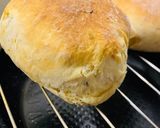
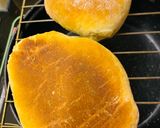
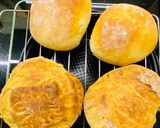
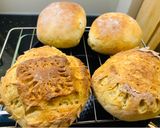
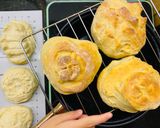
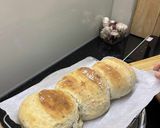
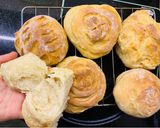
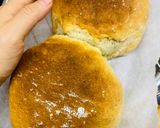
Here’s the result after 30 minutes of baking.
- 10
- 11
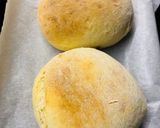
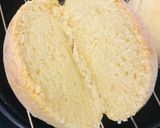
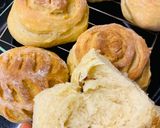
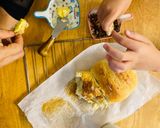
When you slice the bread, it will look like this inside. This was my first batch, made with butter and no herbs. It’s delicious dipped in extra virgin olive oil, balsamic vinegar, and minced garlic, or served with a little salted butter. Homemade tomato sauce is also a great dip!
- 12
Another time, I used 3 1/3 cups (800 grams) of this yogurt with 8 cups (1 kilogram) bread flour, skipped the sugar, and added extra virgin olive oil during the final rise. The result was chewy, fragrant, slightly tangy, and super soft bread—my favorite!
- 13
- 14
- 15
- 16
- 17
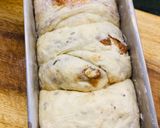
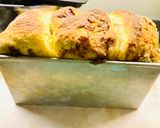

Cooksnaps

Similar Recipes
More Recipes
-

-


-


-
Whole wheat flour (Aata) Pinwheel cookies(No Oven Recipe)

-


-

-

-
MOTHER'S DAY SPECIAL, MOM'S FAV PATISAPTA PITHA (#CA26 #mother's_day'26)

-

-
-

-
Creamy Parmesan Bacon Ditalini
 Skyy Shortall
 -
Small Buttermilk Balls air fry

-

Melt-in-the-mouth mango dessert

-


-

-

Akshay Tritya Special Thali (Rajasthan Jodhpur Special)

-


-