

The Seasoned Paradox - mulled wine

Conditum Paradoxum dates back to the Roman Empire. It was made by adding a cup of honey, black pepper, mastic, laurel and saffron to hot wine. In the 12th century, a drink called ‘spiced wine’ became popular in Spain and France and in the 13th century, via the spice port of Latte, this way of drinking wine spread. The fame of mulled wine was such that even the King of England at the time, Henry III, drank it at his table.
It was not until the 1890s that the tradition of mulled wine during the Christmas period intensified, particularly in the traditional Christmas markets in Germany, where each merchant offered Glühwein of his own making. Today, each country adds its own specialities which gives mulled wine diverse and original tastes. Latvians add a black liqueur from Riga to make Karstvīns, Scandinavians add a tot of vodka or aquavit to make Glögg/Gløgg and Poles add fruit and spices to hot beer not wine which is known as Grzaniec.
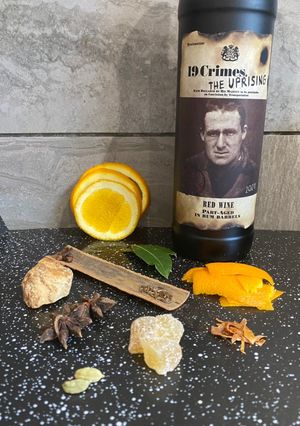
I have used an Aussie red, 19 Crimes the Uprising, which pays homage to Australia’s ‘Rum Rebellion’ of 1808 in which a group of soldiers and citizens banded together to overthrow the government following their hindering of the rum trade. It is partly aged in rum barrels which gives it a dark, jammy and a slight smoky finish which matches well with the spices: cinnamon, bay leaf, star anise, cardamom, clove, mace and caraway. The addition of orange peel, crystallised ginger and a piece of jaggery adds a fruity and tangy sweetness.
The Seasoned Paradox - mulled wine
Conditum Paradoxum dates back to the Roman Empire. It was made by adding a cup of honey, black pepper, mastic, laurel and saffron to hot wine. In the 12th century, a drink called ‘spiced wine’ became popular in Spain and France and in the 13th century, via the spice port of Latte, this way of drinking wine spread. The fame of mulled wine was such that even the King of England at the time, Henry III, drank it at his table.
It was not until the 1890s that the tradition of mulled wine during the Christmas period intensified, particularly in the traditional Christmas markets in Germany, where each merchant offered Glühwein of his own making. Today, each country adds its own specialities which gives mulled wine diverse and original tastes. Latvians add a black liqueur from Riga to make Karstvīns, Scandinavians add a tot of vodka or aquavit to make Glögg/Gløgg and Poles add fruit and spices to hot beer not wine which is known as Grzaniec.
I have used an Aussie red, 19 Crimes the Uprising, which pays homage to Australia’s ‘Rum Rebellion’ of 1808 in which a group of soldiers and citizens banded together to overthrow the government following their hindering of the rum trade. It is partly aged in rum barrels which gives it a dark, jammy and a slight smoky finish which matches well with the spices: cinnamon, bay leaf, star anise, cardamom, clove, mace and caraway. The addition of orange peel, crystallised ginger and a piece of jaggery adds a fruity and tangy sweetness.
 Open in Cookpad App
Similar Recipes
More Recipes
-
Wonton Chips / Wonton Crackers

-

-

-
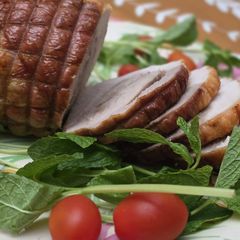
Boneless turkey white and dark meat roast

-

-

Traditional Moong-Urad daal pakode

-
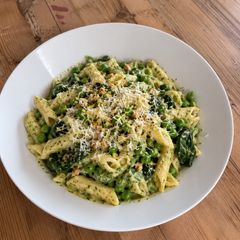
High-protein pea, spinach & walnut pesto pasta

-

-


-

Easy! Caramel Banana Milk Pudding

-

-
-


-

-

-

-
-

-

-

-

-


-




Comments