

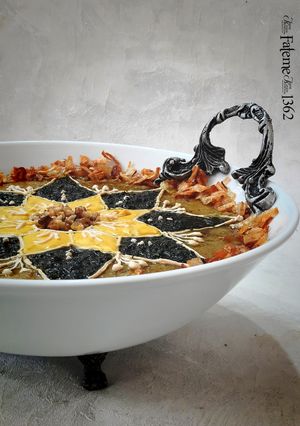
Halim Bademjan Isfahan (Traditional Persian Eggplant and Lamb)

Halim Bademjan Isfahan is one of the signature dishes of Isfahan, one of Iran's most famous historic cities and a favorite destination for travelers from around the world.
Despite its name, this dish is completely different from the South Asian Haleem. The Isfahani version is made with eggplants, tender lamb, kashk, walnuts, and Piaz Dagh Asali (golden fried onions), creating a rich, velvety texture and an unforgettable flavor.
Traditionally served with fresh bread, Halim Bademjan is a comforting dish that has been enjoyed in Iranian homes for generations.
If you would like to experience one of Isfahan's classic flavors, this is a wonderful place to start.
#PersianFood #IranianFood #PersianCuisine #Isfahan #HalimBademjan #Eggplant #Kashk #Lamb #TraditionalCooking #PersianRecipes
Halim Bademjan Isfahan (Traditional Persian Eggplant and Lamb)
Halim Bademjan Isfahan is one of the signature dishes of Isfahan, one of Iran's most famous historic cities and a favorite destination for travelers from around the world.
Despite its name, this dish is completely different from the South Asian Haleem. The Isfahani version is made with eggplants, tender lamb, kashk, walnuts, and Piaz Dagh Asali (golden fried onions), creating a rich, velvety texture and an unforgettable flavor.
Traditionally served with fresh bread, Halim Bademjan is a comforting dish that has been enjoyed in Iranian homes for generations.
If you would like to experience one of Isfahan's classic flavors, this is a wonderful place to start.
#PersianFood #IranianFood #PersianCuisine #Isfahan #HalimBademjan #Eggplant #Kashk #Lamb #TraditionalCooking #PersianRecipes
 Open in Cookpad App
Steps
- 1
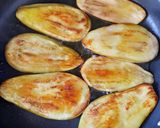
Peel the eggplants several hours in advance. Make a few lengthwise slits in each one and sprinkle lightly with salt to draw out any bitterness. After 3–4 hours, fry both sides until golden.
- 2
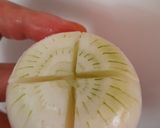
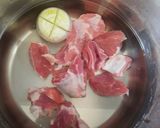
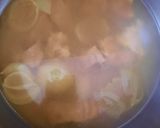
To cook the lamb, peel the small onion and cut a deep cross (+) into the top with a knife. Place it in a saucepan with the lamb, turmeric, and enough water to cover. Cook until the meat is tender. (I used a pressure cooker.)
- 3
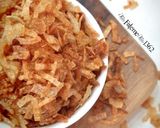
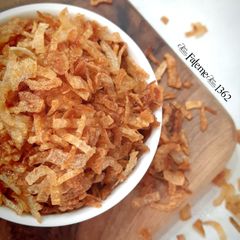
Slice the onions into medium strips and fry them until they become Piaz Dagh Asali. These are not regular fried onions. Please refer to my Piaz Dagh Asali recipe for the complete method.
- 4
Crush the garlic and lightly fry it with the golden fried onions.
- 5
Finely chop the walnuts.
- 6
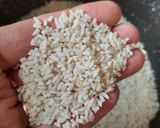
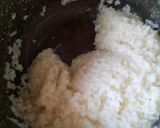
Add enough water to the rice so it stands about 2 cm (¾ inch) above the rice. Cook until the grains are almost completely tender and all the water has been absorbed. A little salt may be added if desired. Set aside.
- 7
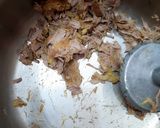
Once the lamb is cooked, remove it from the cooking liquid. Shred it using a meat mallet or a similar tool as shown in the video. The meat should be shredded rather than mashed. Set aside.

- 8
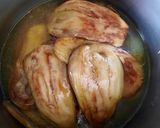
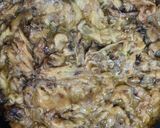
Add the fried eggplants to the lamb cooking liquid and cook until they become completely soft and all the liquid has evaporated. Leave the onion used for cooking the lamb in the pot.
- 9
Once the eggplants are very soft, add the cooked rice, garlic and Piaz Dagh Asali.
- 10
Blend everything well with an immersion blender or mash thoroughly with a hand masher until well combined, as shown in the video.
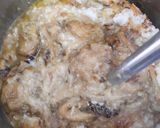
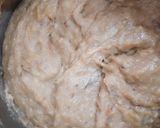
- 11
Add the shredded lamb, kashk, walnuts, turmeric, and black pepper. Mix well over medium heat, stirring continuously until the mixture slides easily around the bottom of the pot as shown in the video.
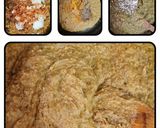
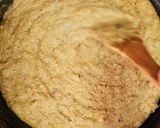
- 12
Taste and adjust the salt only at the end, since both the kashk and the salted eggplants already contribute salt.
- 13
Transfer to a serving dish. Halim Bademjan is traditionally served with fresh bread.
- 14
Note
The garnish is completely optional and is usually prepared for special occasions rather than everyday family meals. - 15
You can reserve a small amount of the fried onions, walnuts, and kashk for decorating.
- 16
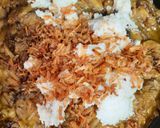
The photos show the consistency of the kashk used in this recipe.
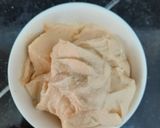
- 17
My garnish includes Piaz Dagh Asali, kashk mixed with a little turmeric, walnuts, and Nana Dagh (mint oil).
- 18
For best results, use thick kashk rather than very thin or watery kashk. If your kashk is thinner, add it gradually and adjust the amount as needed.
- 19
If you would like to prepare the mint oil, combine 1 g ground dried mint with 15 g oil over low heat. As soon as the oil begins to gently bubble around the edges of the pan, remove it from the heat to prevent the mint from burning. Let it rest for about 30 minutes before using; the color will deepen beautifully, as shown in the photos.

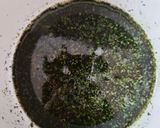
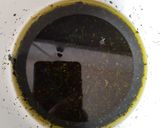
- 20
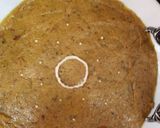
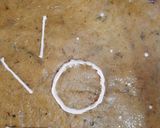
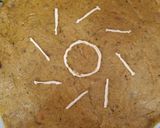
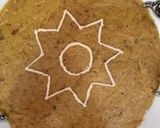
My Serving & Garnishing Method
- 21
The consistency of the kashk in the piping bag should be the same as the kashk shown above. Make a small hole at the tip of the piping bag.
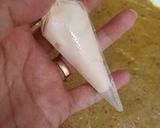
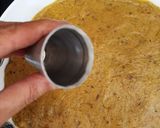
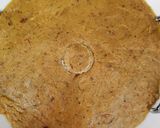
- 22
Pay attention to the placement of the dots.
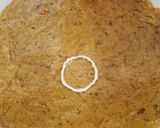
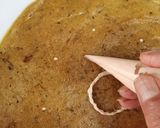
- 23
- 24
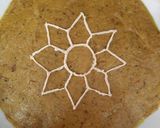
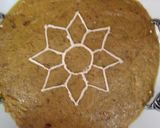
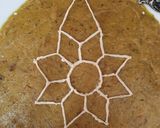
- 25
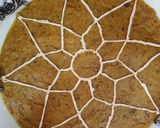
- 26
Pay attention to the consistency of the kashk and turmeric mixture. If your kashk is thicker, gradually thin it with a small amount of cooled boiled water until it reaches the desired consistency.
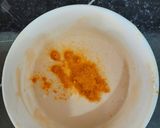
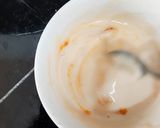
- 27
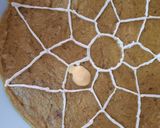
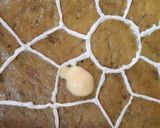
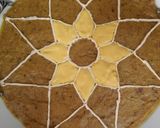
- 28
Spread the Nana Dagh (mint oil) in the same way as the kashk, using a toothpick.
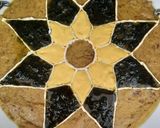
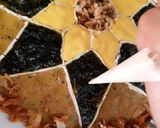
- 29
If any of the garnish goes outside the lines, do not worry. Redraw the lines with kashk and use the garnish ingredients to cover and fix any imperfections.
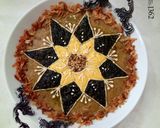

Linked Recipes
Cooksnaps

Similar Recipes
More Recipes
-
Honey Apple Curd Smoothie (Honey & Elaichi Infused Apple Lassi)

-

-

-

-

-

-

-

-

-

-

-

-


-
The Most Delicate Berry Meringue Pie

-
-

-
High-protein chicken and cheese pizza

-

-
 LucyR13
 -
Piaz Dagh Asali (Persian Golden Fried Onions)

-
-
-

-

-


Comments (13)