From Pham Huyen's kitchen in Vietnam.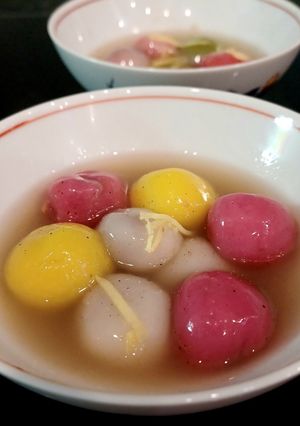
Five-Color Bánh Trôi for Tết Hàn Thực

Tết Hàn Thực (Cold Food Festival)
During the Spring and Autumn period, King Jin Wen of the Jin state (formerly Crown Prince Chong'er) was forced into exile due to turmoil. A wise man named Jie Zitui followed him and offered counsel. One day, while fleeing and running out of food, Jie secretly cut a piece of flesh from his own thigh, cooked it, and served it to the king. After eating, the king learned the truth and was deeply moved. Jie Zitui served King Jin Wen for 19 years. Later, when King Jin Wen regained his throne, he rewarded those who had helped him, but forgot about Jie Zitui. Jie did not complain and retreated with his mother to live in seclusion on Mount Mianshan. When the king remembered, he sent people to find Jie, but Jie refused to leave the mountain to accept any reward. The king ordered the forest to be burned to force Jie out, but Jie refused to obey. When the fire was out, the king found Jie and his mother had died by the stream. Out of sorrow, the king built a temple in their honor and decreed that for three days (from the 3rd to the 5th day of the 3rd lunar month), people should not light fires and only eat cold, pre-cooked food in remembrance. During the 1000 years of Northern domination, Vietnamese culture was deeply influenced by Chinese culture, but when it came to Vietnam, the traditions changed. In Northern Vietnam, Tết Hàn Thực is also called the Bánh Trôi Festival. Bánh trôi, made from glutinous rice flour, is also offered during the Hai Bà Trưng festival on March 6th at Hat Mon village (Phuc Tho - Ha Tay), the Hùng Kings' death anniversary on March 10th, and the Phu Giay festival in March honoring the Mother Goddess.
Five-Color Bánh Trôi for Tết Hàn Thực
Tết Hàn Thực (Cold Food Festival)
During the Spring and Autumn period, King Jin Wen of the Jin state (formerly Crown Prince Chong'er) was forced into exile due to turmoil. A wise man named Jie Zitui followed him and offered counsel. One day, while fleeing and running out of food, Jie secretly cut a piece of flesh from his own thigh, cooked it, and served it to the king. After eating, the king learned the truth and was deeply moved. Jie Zitui served King Jin Wen for 19 years. Later, when King Jin Wen regained his throne, he rewarded those who had helped him, but forgot about Jie Zitui. Jie did not complain and retreated with his mother to live in seclusion on Mount Mianshan. When the king remembered, he sent people to find Jie, but Jie refused to leave the mountain to accept any reward. The king ordered the forest to be burned to force Jie out, but Jie refused to obey. When the fire was out, the king found Jie and his mother had died by the stream. Out of sorrow, the king built a temple in their honor and decreed that for three days (from the 3rd to the 5th day of the 3rd lunar month), people should not light fires and only eat cold, pre-cooked food in remembrance. During the 1000 years of Northern domination, Vietnamese culture was deeply influenced by Chinese culture, but when it came to Vietnam, the traditions changed. In Northern Vietnam, Tết Hàn Thực is also called the Bánh Trôi Festival. Bánh trôi, made from glutinous rice flour, is also offered during the Hai Bà Trưng festival on March 6th at Hat Mon village (Phuc Tho - Ha Tay), the Hùng Kings' death anniversary on March 10th, and the Phu Giay festival in March honoring the Mother Goddess.
 Open in Cookpad App
Steps
- 1
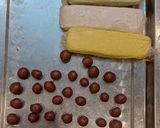
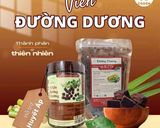
Add 1/2 cup water (about 100 ml) to the red bean mooncake filling and cook over low heat, stirring until the filling is thick and no longer sticky. Shape the filling into small balls. The herbal sugar candy (duong ha thu o) is made from cane sugar cut into small pieces, with added ginger, red polygonum root (ha thu o), and oyster shell powder (mau le), which are considered beneficial for health.
- 2
For the dough: Mix 1/3 cup all-purpose flour (about 50 grams) with 2/3 cup water (about 150 ml) and cook until the mixture boils. Remove from heat and pour the hot mixture into the glutinous rice flour. Stir with a wooden spoon, then knead by hand, gradually adding the remaining 1/2 cup water (about 130 ml) until you get a smooth, soft, non-sticky dough. Note: Older flour may absorb more water, so add water gradually as needed. If you want to add color, mix it into the 1/2 cup of cool water before kneading.
- 3
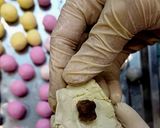
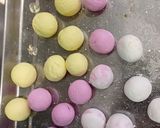
Pinch off small pieces of dough, flatten each piece, place a ball of filling in the center, and wrap the dough around it. Roll into smooth balls.
- 4
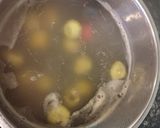
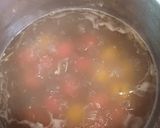
Bring 6 1/3 cups water (about 1.5 liters) to a boil in a pot. Add the herbal sugar candy (about 50 grams) and the julienned ginger. Drop the dough balls into the boiling water and cook until they float to the surface. Remove and transfer to a bowl of cold water.
- 5
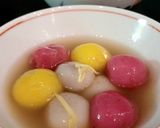
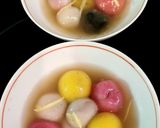
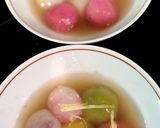
After boiling, you can add more sugar to the pot to adjust the sweetness to your taste. When serving, ladle the sweet ginger syrup over the bánh trôi and enjoy.
- 6
Cooksnaps

Keywords
Similar Recipes
More Recipes
-

-

-

-

-

-

Beef Tacos and Puerto Rican Rice

-
Boursin & shells one pot pasta

-


-
Deep Dish Brown Butter Brownie Pudding

-


-

-

-

-

-

-

-

-

-

-
One pan Cookie (with induction)

-

Grated Potato Fritters with Green Chutney

-