

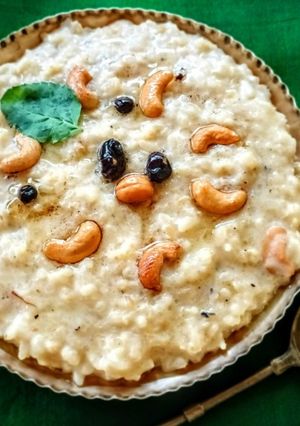
Akkaravadisal/ Akkara Adisil

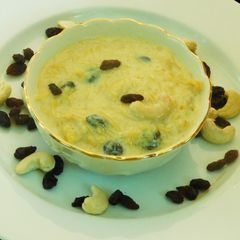
Akkaravadisal or Akkara vadisil, is a very traditional South Indian sweet dish. Lord Mahavishnu is offered this sweet as prasad(holy offering), in the temples of Srivilliputhur and Sri Rangam. The main ingredients are Rice, moong dal, jaggery, milk and ghee. The ingredients are similar to the Sweet Pongal but both taste very different. It tastes heavenly when served a little warm. A liberal amount of ghee makes it taste heavenly.
In the temple kitchen, it is slow-cooked to perfection. In our everyday kitchen, there are a few tricks and tips to get it right. Slow cooking does really enhance the taste. Cooked in a Bronze vessel ( called vengalam in Tamil), the taste intensifies. The Bronze vessels retain heat for a longer time and being heavy,they don't let the milk burn easily. The texture is perfect when cooked in a bronze vessel. Though for everyday cooking, I have two methods of making it. One is this one, where I cook the rice in a pressure cooker with milk, and then finish it off in a heavy-bottomed vessel. The other method is a One Pot method, where they whole recipe is concluded in the pressure cooker.
Theme- Harvest festival special recipes
#jan #W2
Akkaravadisal/ Akkara Adisil
Akkaravadisal or Akkara vadisil, is a very traditional South Indian sweet dish. Lord Mahavishnu is offered this sweet as prasad(holy offering), in the temples of Srivilliputhur and Sri Rangam. The main ingredients are Rice, moong dal, jaggery, milk and ghee. The ingredients are similar to the Sweet Pongal but both taste very different. It tastes heavenly when served a little warm. A liberal amount of ghee makes it taste heavenly.
In the temple kitchen, it is slow-cooked to perfection. In our everyday kitchen, there are a few tricks and tips to get it right. Slow cooking does really enhance the taste. Cooked in a Bronze vessel ( called vengalam in Tamil), the taste intensifies. The Bronze vessels retain heat for a longer time and being heavy,they don't let the milk burn easily. The texture is perfect when cooked in a bronze vessel. Though for everyday cooking, I have two methods of making it. One is this one, where I cook the rice in a pressure cooker with milk, and then finish it off in a heavy-bottomed vessel. The other method is a One Pot method, where they whole recipe is concluded in the pressure cooker.
Theme- Harvest festival special recipes
#jan #W2
 Open in Cookpad App
Steps
- 1
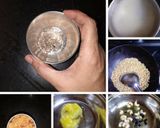
Assemble all ingredients.
- 2
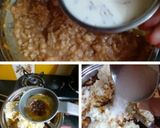
Dry roast the Moong dal to a light brown colour. Take rice in a vessel that fits inside the cooker and add the roasted dal to it. Wash them a few times, add 4 cups of milk and place the vessel inside the cooker with sufficient water at the bottom. Cook until 5 to 6 whistles. To the remaining 2 cups of milk add saffron and let soak.
- 3
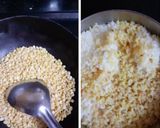
Until the pressure releases let’s get the jaggery ready. In a small vessel take the jaggery, add 1/4 cup water and bring it to a boil, put out the stove and stir the jaggery to dissolve it.
- 4
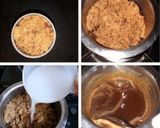
Once you open the cooker mash the contents while they are hot as it’s easier to do it then. Set aside.
In a pan/ Urli take a tablespoon of ghee and heat, fry the nuts and raisins in it and keep aside.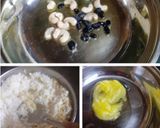
- 5
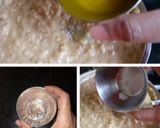
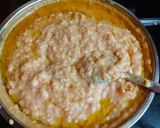
In the same pan/ Urli transfer the cooked rice and dal and strain the liquid jaggery on it directly. Pour the saffron-added milk into the mixture and stir. Add in the cardamom and raw camphor and turn off the stove. Lastly, add the ghee, garnish with the fried nuts and raisins and the Akkaravadisal is ready.

Similar Recipes
More Recipes
-

-


-
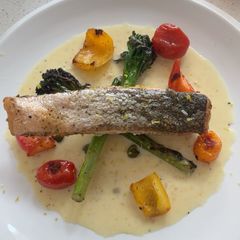
Salmon with White Wine Dijon Caper Cream Sauce

-

Smoky sweet potato & black bean chili

-
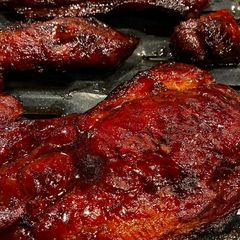
Easy Weeknight Char Siu (叉烧) pork

-
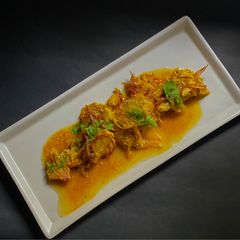
Dabi Arvi ka Salan Lucknowi style (Colocasia curry)

-

-


-

-

-

-
Spicy Corn Salsa with Habanero Pepper & Mango 🌶️🥭🌽

-

-
California Farm Rabbit Meat Stew

-

-

-

-

-

-

-
Creamy Garlic Chicken # Cookpad

-

-

-

Comments (2)