Authentic home cooking from Italy, with US measurements.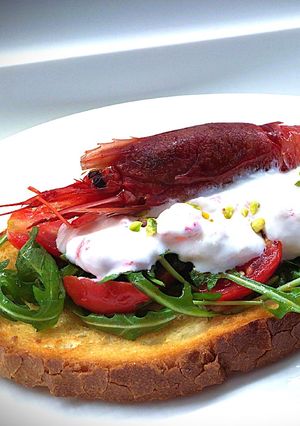
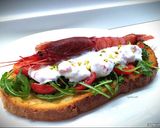
Bruschetta with Mazara Red Shrimp Tartare, Burrata, and Salad Greens

Arugula, also known by its Latin name 'eruca sativa,' was highly valued in ancient times, especially for its healing properties. The Romans, who also ate its seeds, believed it had magical qualities and used it in love potions, considering it the most powerful aphrodisiac. It was often grown in fields with phallic statues dedicated to Priapus, the god of virility.
Ovid, in his Ars Amatoria, called it 'eruca salax' or 'herba salax,' meaning lustful herb, and advised against it in cases of heartbreak.
Columella claimed: 'arugula excites lazy husbands to Venus.'
Pliny stated: 'it is believed that desire for intercourse is also stimulated by foods, such as arugula...'. Dioscorides, a Greek physician, said that eating it raw in abundance 'aroused Venus.'
Even during the Renaissance, the aphrodisiac effects of arugula were written about, and the herbalist Matthias de Lobel (16th century) told of monks who, excited by an arugula cordial, abandoned their vow of chastity.
Bruschetta with Mazara Red Shrimp Tartare, Burrata, and Salad Greens
Arugula, also known by its Latin name 'eruca sativa,' was highly valued in ancient times, especially for its healing properties. The Romans, who also ate its seeds, believed it had magical qualities and used it in love potions, considering it the most powerful aphrodisiac. It was often grown in fields with phallic statues dedicated to Priapus, the god of virility.
Ovid, in his Ars Amatoria, called it 'eruca salax' or 'herba salax,' meaning lustful herb, and advised against it in cases of heartbreak.
Columella claimed: 'arugula excites lazy husbands to Venus.'
Pliny stated: 'it is believed that desire for intercourse is also stimulated by foods, such as arugula...'. Dioscorides, a Greek physician, said that eating it raw in abundance 'aroused Venus.'
Even during the Renaissance, the aphrodisiac effects of arugula were written about, and the herbalist Matthias de Lobel (16th century) told of monks who, excited by an arugula cordial, abandoned their vow of chastity.
 Open in Cookpad App
Steps
- 1
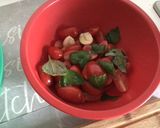
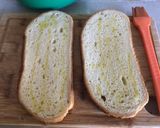
Slice the tomatoes in half lengthwise and toss with basil leaves, salt, olive oil, and garlic. Let them marinate for a couple of hours. Brush the bread slices with olive oil and toast them.
- 2
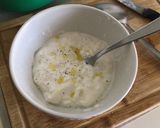
Open the burrata and use a fork to gently mix it until smooth. Add a pinch of salt, some black pepper, and a few drops of olive oil. Whisk quickly with a fork.
- 3
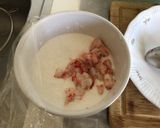
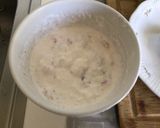
Clean the shrimp, removing the shells and veins (reserve one for garnish). Season the shrimp with olive oil and salt. Let them rest in the fridge. If eating raw (only if fresh and flash-frozen), chop them into tartare and mix with the burrata. Otherwise, sear them in a hot pan for a few seconds (without added fat), then chop into tartare and mix with the burrata. Mix well.
- 4
Remove the basil from the tomatoes and add the arugula. Toss well and adjust with olive oil and salt. To assemble the bruschetta: Place the salad on the toasted bread, then add the shrimp tartare mixture, sprinkle with chopped pistachios, and top with a whole shrimp for garnish.

Keywords
Similar Recipes
More Recipes
-

-

-

-

-

-

-

-

-

-
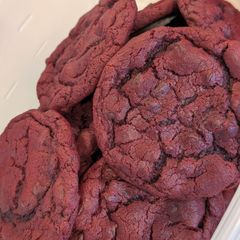
Red Velvet Chocolate Chip Cookies

-

-

-


-
Chamthong (Manipuri Seasonal Vegetable Stew)

-

-
-
Satvik Farali Bottle Gourd Sabudana Khichdi

-

-