

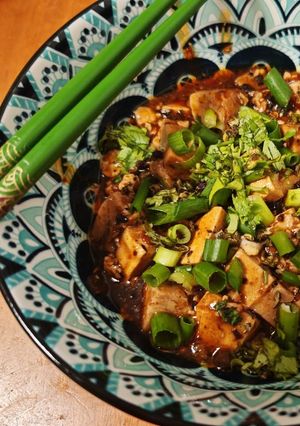
Traditional Mapo Tofu plant-based (Chuántǒng Sù Mápó Dòufu 传统素麻婆豆腐)

This dish is a vibrant, plant-based adaptation of the iconic Sichuan classic. While traditional Mapo Tofu relies on minced pork or beef to add texture and depth, this recipe masterfully substitutes animal protein without losing the dish's soul. By using a clever combination of finely minced king oyster mushrooms and chopped walnuts (or high-quality soy/pea granules), we perfectly replicate the rich, savory, and slightly crispy mouthfeel of traditional minced meat.The heart of the dish remains untouched: the intense, umami-rich foundation of fermented Pixian Doubanjiang, the punchy kick of black beans, and the signature málà (spicy and numbing) sensation delivered by the fresh knife-chopped Sichuan peppercorns and chilies. It is a deeply satisfying, fiery, and aromatic experience that proves you don’t need meat to honor a time-tested culinary tradition.
Traditional Mapo Tofu plant-based (Chuántǒng Sù Mápó Dòufu 传统素麻婆豆腐)
This dish is a vibrant, plant-based adaptation of the iconic Sichuan classic. While traditional Mapo Tofu relies on minced pork or beef to add texture and depth, this recipe masterfully substitutes animal protein without losing the dish's soul. By using a clever combination of finely minced king oyster mushrooms and chopped walnuts (or high-quality soy/pea granules), we perfectly replicate the rich, savory, and slightly crispy mouthfeel of traditional minced meat.The heart of the dish remains untouched: the intense, umami-rich foundation of fermented Pixian Doubanjiang, the punchy kick of black beans, and the signature málà (spicy and numbing) sensation delivered by the fresh knife-chopped Sichuan peppercorns and chilies. It is a deeply satisfying, fiery, and aromatic experience that proves you don’t need meat to honor a time-tested culinary tradition.
 Open in Cookpad App
Steps
- 1
Blanch the tofu:
Pour one liter of water and a teaspoon of salt into the wok, then bring to a boil. In the meantime, cut the tofu into roughly 2 cm cubes. When the water starts to boil, gently slide the tofu cubes in and let them simmer for 2 minutes.
- 2
Prepare the knife-chopped chili mixture:
Cut all the Chao Tian chilies into 3 or 4 slices with scissors, discarding the seeds to reduce the heat, then place them in a small bowl with the Sichuan peppercorns.
- 3
Heat your wok, add the seed oil, and bring it to 130°C. Then add the chili slices and Sichuan peppercorns, toasting them for about 30 seconds.
Put out the heat and transfer to a cutting board, crush with a Chinese cleaver/knife, finely chop, and set aside.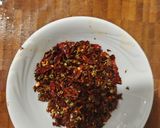
- 4
Meat substitutes and other ingredients:
When using King Oyster mushrooms and walnuts, finely mince the mushrooms and chop the walnuts with a knife to achieve a texture similar to minced meat.
If you are using soy or pea granules, rehydrate them according to the package instructions and thoroughly squeeze out any excess water. - 5
Finely mince the garlic and the ginger and set aside. Finally, cut the spring onions on small rounds and if you like, some cilantro, that will be used for the garnish.
- 6
Cook the sauce and tofu:
Dry the wok and heat it over medium heat. Add rapeseed oil, then, once hot, add your preferred plant-based meat (such as mushrooms and walnuts, granules, or store-bought mince) along with deodorized coconut oil. Stir-fry until the mixture becomes golden brown and slightly crispy.
- 7
Turn the heat down to low, then add the Doubanjiang and the fermented black beans (Dòuchǐ) and Fry gently for about 1 to 2 minutes, stirring constantly, until the oil turns a deep, bright red and releases its rich aroma.
- 8
Toss in the diced ginger and garlic. Stir-fry over medium heat for another 30 seconds until fragrant, being careful not to burn them. Add 2/3 of the traditional knife-chopped chili and stir well
- 9
Pour the water or vegetable broth into the wok and bring to a boil. Add the salt, sugar and MSG.
Gently drain the tofu from the warm water and add it to the wok. Carefully push the tofu with the back of your Chinese ladle (moving from the edges toward the center in smooth motions) to avoid breaking it, then let it simmer over medium-low heat for about 5 minutes so it absorbs all the sauce's flavors.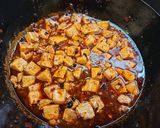
- 10
Thicken and Finish:
Give the cornstarch-and-water mixture (the slurry) a quick stir. Pour one-third of it into the wok in a thin stream while gently moving the tofu, and let it thicken for a few seconds.
Add the second third of the slurry and let it simmer briefly, then add the remaining slurry, turning off the heat. This multi-step process allows the sauce to bind perfectly without forming clumps and softens your tofu; this makes the sauce thick, glossy, and completely coats the tofu cubes.
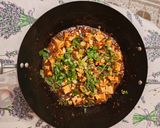
- 11
Turn off the heat and transfer the Mapo Tofu into a large serving dish or deep bowl. Generously dust the top with the remaining knife-chopped chili-and-Sichuan-pepper mixture and scallions / cilantro you prepared earlier.
Tips
I Peperoncini Chao Tian offrono un livello di piccantezza medio e sono utilizzati principalmente per il loro aroma. Quando li sostituisci con altri Peperoncini, regola la quantità in base al loro grado di piccantezza. Per questa ricetta si consiglia l'Olio di Colza, poiché il suo sapore esalta la profondità del piatto.

Keywords
Similar Recipes
More Recipes
-


-

-

-

-
Leftover Sweet Potato Stuffed Paratha

-


-


-


-


-


-
-

 Taylah2604
 -

Quadruple Chocolate Bear Paw Cookies

- Taylah2604
-

-

-
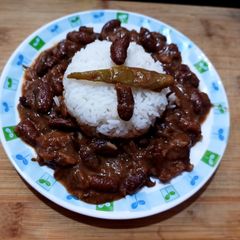
Rajma Chawal (Punjabi Style) One Pot Meal

-


-

Puranpoli (Regional Icon)Gujarati style vedmi
-
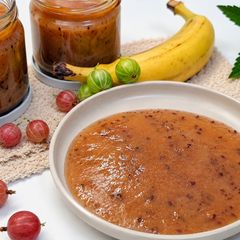
🍌 Thick Gooseberry Banana Jam 🍈

-
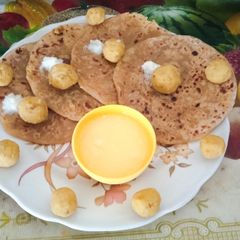
Healthy Tasty Unique Gujarati Style Puran Poli

-






Comments