From Mến Nguyễn's kitchen in Vietnam.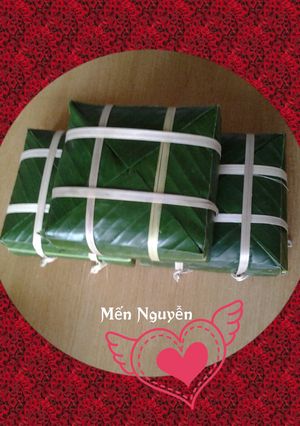
Bánh Chưng

The atmosphere of spring is in the air as Cookpad launches a cake contest. Instead of luxurious, elegant European cakes, it’s the simple, delicate Vietnamese cakes that truly reflect the character of the Vietnamese people—humble yet captivating.
For this contest, I’d like to share a cake that’s essential for Lunar New Year celebrations, no matter where you are in the world. I left my hometown at 19 or 20, and back then I only knew how to make a few simple dishes. Thanks to learning and sharing with friends and family, I’ve picked up many more skills, including how to wrap Bánh Chưng for the New Year. It helps ease homesickness and preserves tradition for the next generation.
Just talking about it makes me want to have a beautiful Bánh Chưng right in front of me. Let’s get started and make this special cake together!
Bánh Chưng
The atmosphere of spring is in the air as Cookpad launches a cake contest. Instead of luxurious, elegant European cakes, it’s the simple, delicate Vietnamese cakes that truly reflect the character of the Vietnamese people—humble yet captivating.
For this contest, I’d like to share a cake that’s essential for Lunar New Year celebrations, no matter where you are in the world. I left my hometown at 19 or 20, and back then I only knew how to make a few simple dishes. Thanks to learning and sharing with friends and family, I’ve picked up many more skills, including how to wrap Bánh Chưng for the New Year. It helps ease homesickness and preserves tradition for the next generation.
Just talking about it makes me want to have a beautiful Bánh Chưng right in front of me. Let’s get started and make this special cake together!
 Open in Cookpad App
Steps
- 1
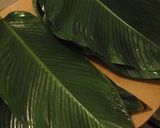
Wash the dong leaves thoroughly and let them drain. Wipe the leaf veins with a clean cloth, then wipe from the vein outward. Set aside for folding and cutting.
- 2
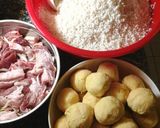
Rinse the sticky rice well, then soak for 6 to 8 hours until expanded. Drain, then toss with salt. Use 1 tablespoon (about 15 grams) of salt per 1 kg (4 1/2 cups) of rice. Mix well so the salt is evenly distributed.
- 3
Wash and drain the pork belly, then pat dry with paper towels. Cut into thick, wide slices. Season with black pepper, salt, MSG or seasoning powder, and crushed shallots (adjust to your family’s taste). Add a little cooking oil and mix well (the oil helps keep the meat juicy while marinating). For best flavor, marinate the meat overnight in the refrigerator.
- 4
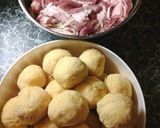
Rinse the split mung beans and soak until they expand, which helps them cook faster. Drain, then steam or boil until cooked. Some people use raw beans, but I find cooked beans are more fragrant. Add a little salt, mash until smooth, then form into small portions.
- 5
Soak the bamboo strings in water to soften so they won’t break when wrapping. Clean the cake mold and prepare it for wrapping. If you need tips on folding and cutting leaves to fit the mold for a neat, square cake, I can share a separate guide for those interested.
- 6
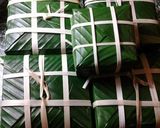
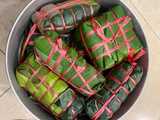
Now that everything is ready, let’s wrap the cakes! Once the leaves are cut to fit the mold, folding the base is quick. Each cake needs 4 leaves and 4 strings. Place one string on a clean surface, set the mold on top, and line with leaves. Place the second leaf diagonally over the first, then add the other two in the same way to make the cake sturdy—like forming an X. Add 1 bowl of soaked sticky rice (use a little less for the bottom layer than the top; each cake needs 2 bowls of rice, one for the bottom, one for the top). Spread the rice evenly, then add a flattened portion of mung bean in the center, followed by the marinated pork (leave out the shallots), then another layer of flattened mung bean. If the mung bean spreads out too much, the cake won’t hold together.
- 7
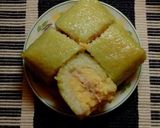
Arrange the cakes snugly in a pot, add enough water to cover, and boil over wood fire for 6 to 8 hours for the best texture. You can also use a regular pot or pressure cooker on a gas stove if you don’t have a wood fire. While boiling, keep an eye on the water level and add more boiling water as needed. Before placing the cakes in the pot, line the bottom with leftover leaf stems to add fragrance, keep the cakes green, and prevent sticking. Once cooked, remove the cakes, quickly rinse the outside, then dip in boiling water. Place on a flat surface and press to help the cakes stick together and become chewy and delicious. Enjoying these fragrant cakes is a true delight. Wishing everyone success and a joyful, happy New Year with your loved ones!
- 8

People also looked for
Keywords
Similar Recipes
More Recipes
-


-

-

-

-
Wonton Chips / Wonton Crackers

-

-


-
Boneless turkey white and dark meat roast

-


-


-


-

-
-


-


-


-


-


-


-
 Chez-k