

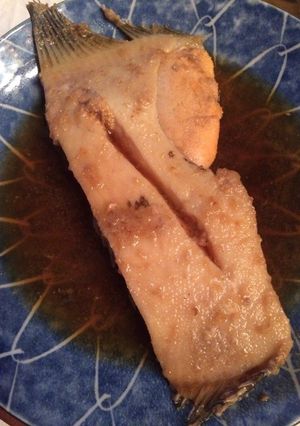
Easy Simmered Flounder

My father goes fishing often, so I learned how to cook many kinds of fish and this is one of them. I've learnt small tips that aren't even on cookbooks as I made many mistakes.
Make sure you add the fish after the cooking liquid comes to a boil. It is cooked quickly with a relatively small amount of cooking liquid using the convection created by the otoshibuta. Don't flip over the fish as it will fall apart. The side of the fish that will be facing up when you serve it will be the side that is facing up when you cook. Do not reduce the cooking liquid too much with the fish in it. You won't mess up. Recipe by Korinontamaru
Easy Simmered Flounder
My father goes fishing often, so I learned how to cook many kinds of fish and this is one of them. I've learnt small tips that aren't even on cookbooks as I made many mistakes.
Make sure you add the fish after the cooking liquid comes to a boil. It is cooked quickly with a relatively small amount of cooking liquid using the convection created by the otoshibuta. Don't flip over the fish as it will fall apart. The side of the fish that will be facing up when you serve it will be the side that is facing up when you cook. Do not reduce the cooking liquid too much with the fish in it. You won't mess up. Recipe by Korinontamaru
 Open in Cookpad App
Steps
- 1
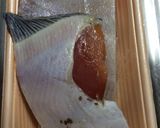
The flounder I used this time had eggs. To cook, you want to use a pot large enough that the fish pieces can fit side-by-side without overlapping. A frying pan would work fine.
- 2
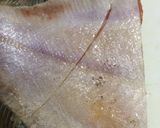
Make a slanted cut across the side which will be facing up (this is for decoration as well as to speed up the cooking time).
- 3
Bring the sake and the mirin to a boil in a pot to cook away the alcohol.
- 4
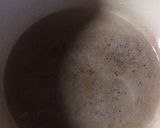
When you can no longer smell the alcohol, add the water and bring to a boil again. Tip 1: always add the fish to the pot when it is boiling. Otherwise, the fishy smell will remain.
- 5
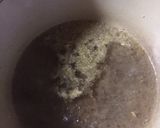
Grate the ginger and add to the pot. (Julienned or sliced would be fine too. You can increase the amount if you want.)
- 6
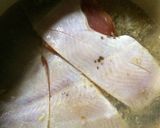
Add the flounder, being careful to not let the pieces overlap (the pieces are not completely submerged).
- 7
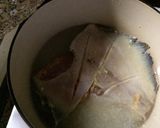
When it comes to a boil again, move around the pot to let the pieces bathe in the cooking liquid.
- 8
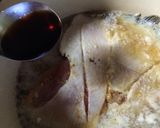
Add the soy sauce.
- 9
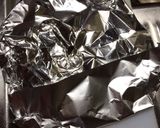
Fold aluminum foil or parchment paper as in the picture. Poke a hole in the middle.
- 10
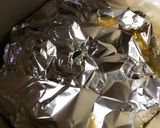
Use the folded aluminum as the otoshibuta. Tip 2: The otoshibuta will create convection, so that the parts that aren't submerged will cook through also.
- 11
Simmer for 10-15 minutes, depending on the thickness of the pieces. Tip 3: Do not turn the pieces over. It'll fall apart.
- 12
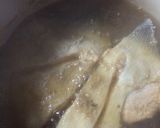
Remove from the pot using a spatula and put on a serving dish.
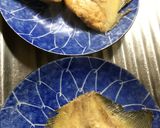
- 13
Reduce the cooking liquid to your liking and top the fish with it to finish. Tip 4: It will burn if you reduce with the fish still inside.
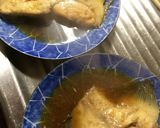
Cooksnaps

Did you know that you can import recipes from anywhere into Cookpad with one click?
https://blog.cookpad.com/us/cookpad-recipe-import-feature-save-recipes-from-anywhere/
Download Cookpad app to plan your meals and store your cooking ideas in one safe place! https://cookpad.wasmer.app/us/download
Keywords
Similar Recipes
More Recipes
-

-


-

-


-

-

-

-
Diet biscuits with custard flavour 🫓 🫓

-


-
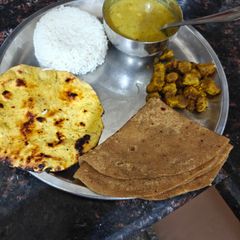
Gatte ki kadhi and dry Masala gatta

-

-

-

-

 bookerluv
 -
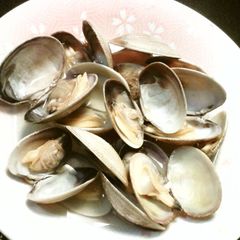
Sake-Steamed Manila Clams (Easy in the Microwave)

-


-
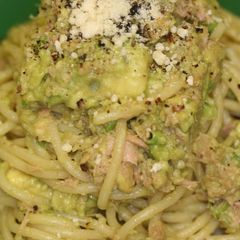
Simple Avocado, Tuna & Cheese Pasta
-
Chocolate, fruit & nut clusters
PaKettle -
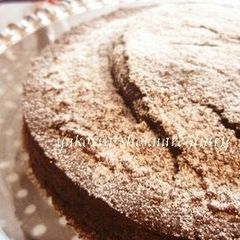
Rice Flour Cocoa Cake for Valentine's Day
-
Blueberry-Red Bull Braised Pork Loin

-

-

-




Comments